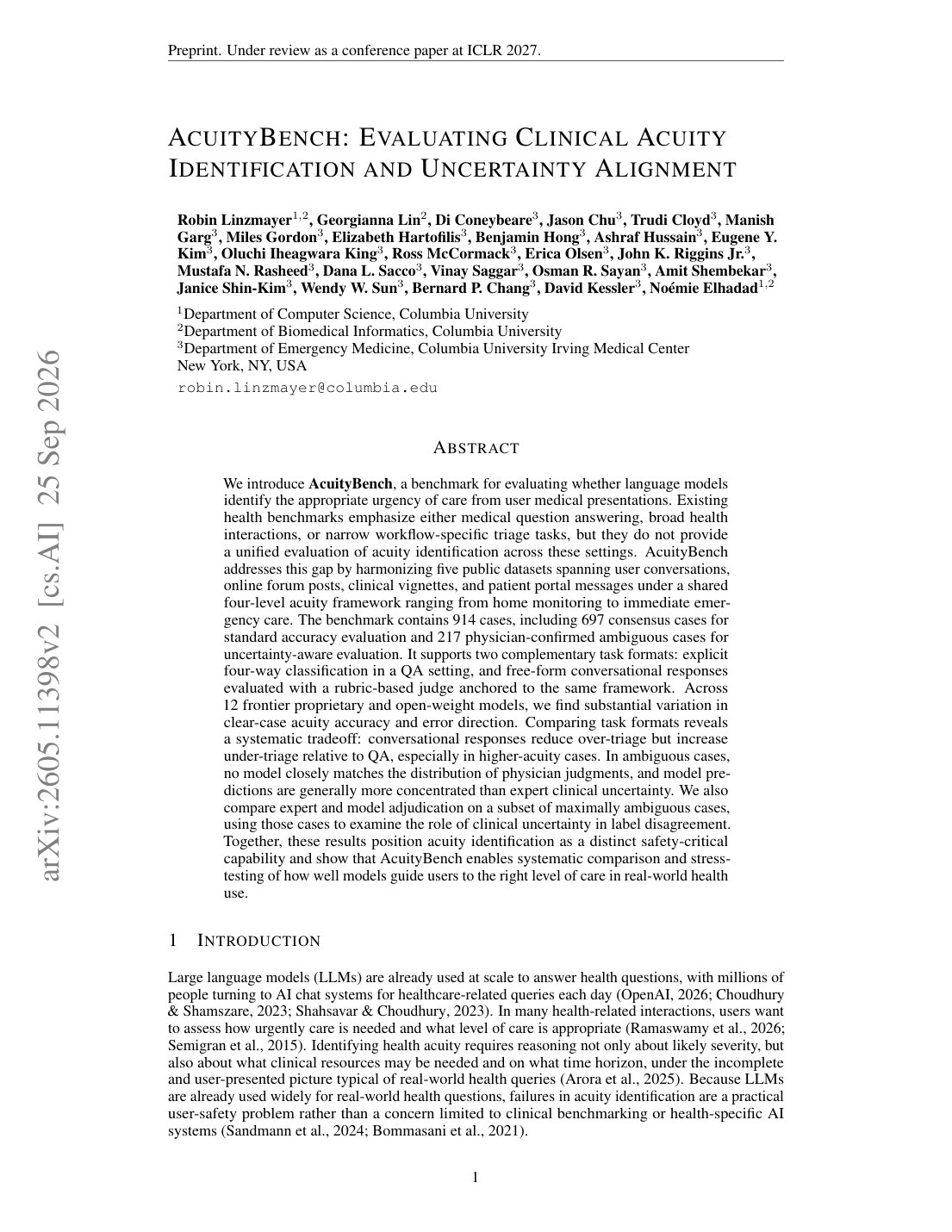
AcuityBench Exposes Miscalibrated Clinical Triage Uncertainty
A 914-case benchmark tests 12 models across four care levels, showing that conversational triage trades less over-triage for more under-triage.
Oct 11, 20264 min2605.11398
Natural language processing, computational linguistics, speech, and text retrieval.
A 914-case benchmark tests 12 models across four care levels, showing that conversational triage trades less over-triage for more under-triage.
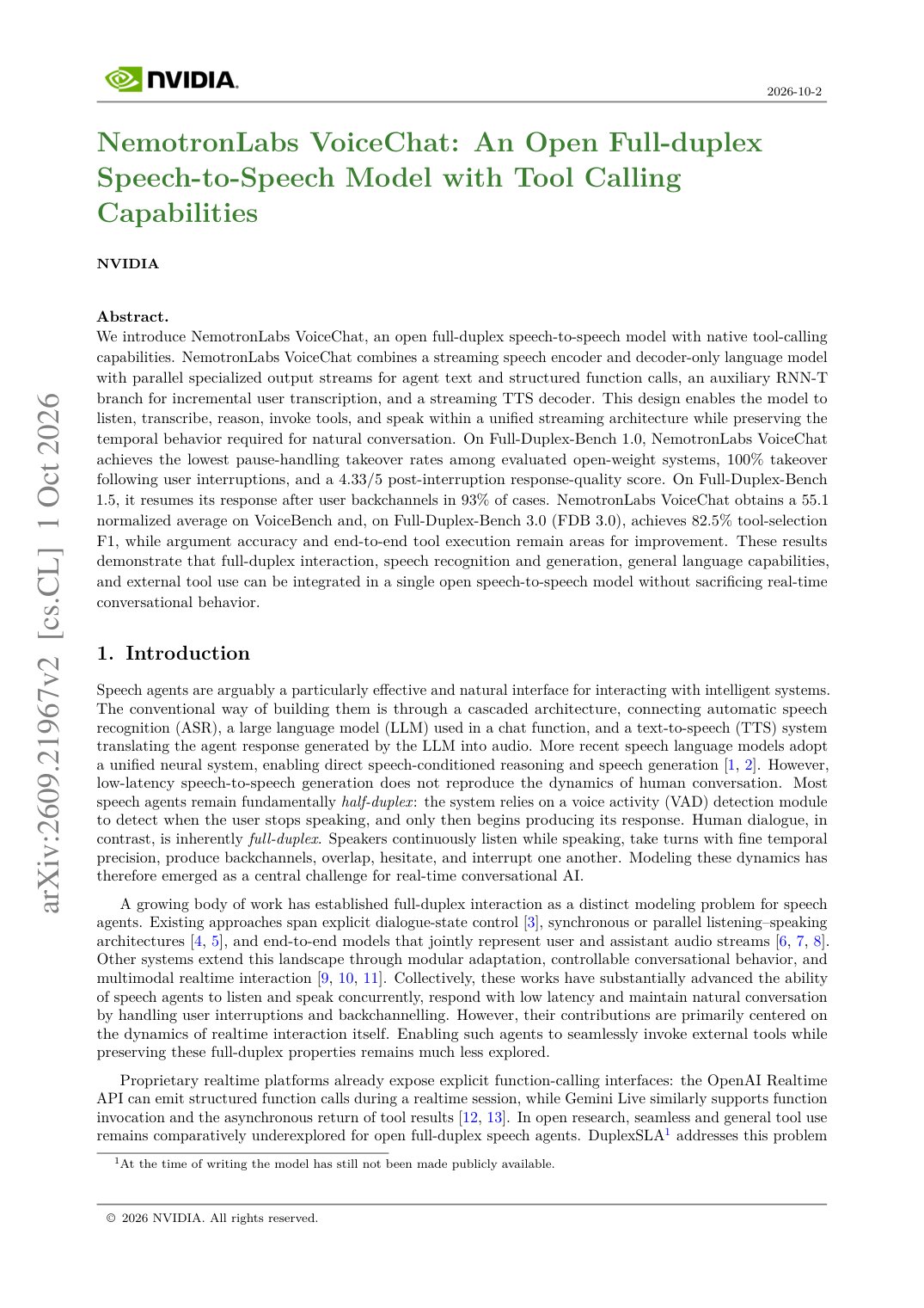
A streaming speech stack separates response text, function calls, transcription, and synthesis, reaching 82.5% tool-selection F1 while maintaining interruption handling.
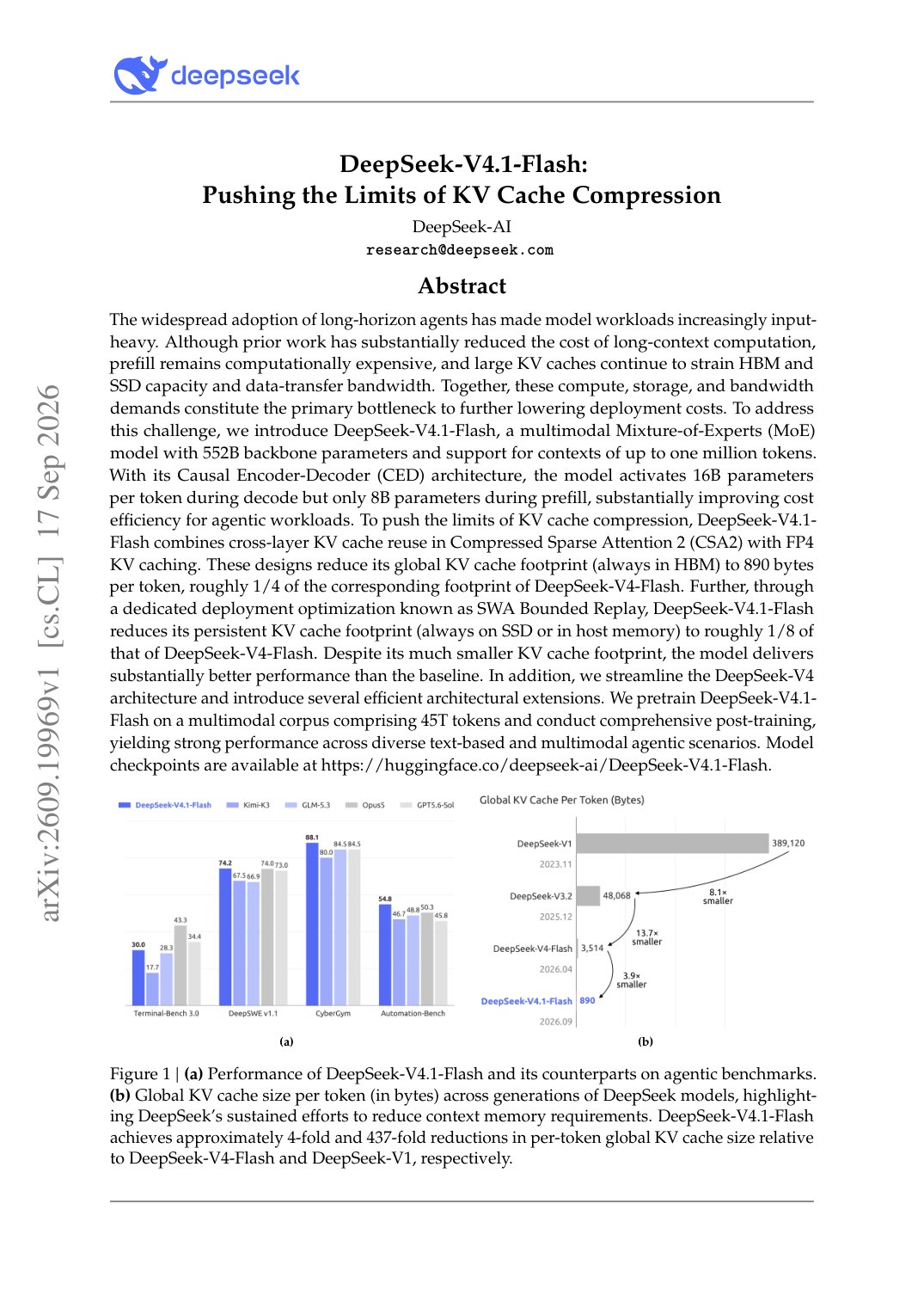
A causal encoder-decoder MoE pairs cross-layer sparse-attention reuse with FP4 caching to reduce global context memory to 890 bytes per token.
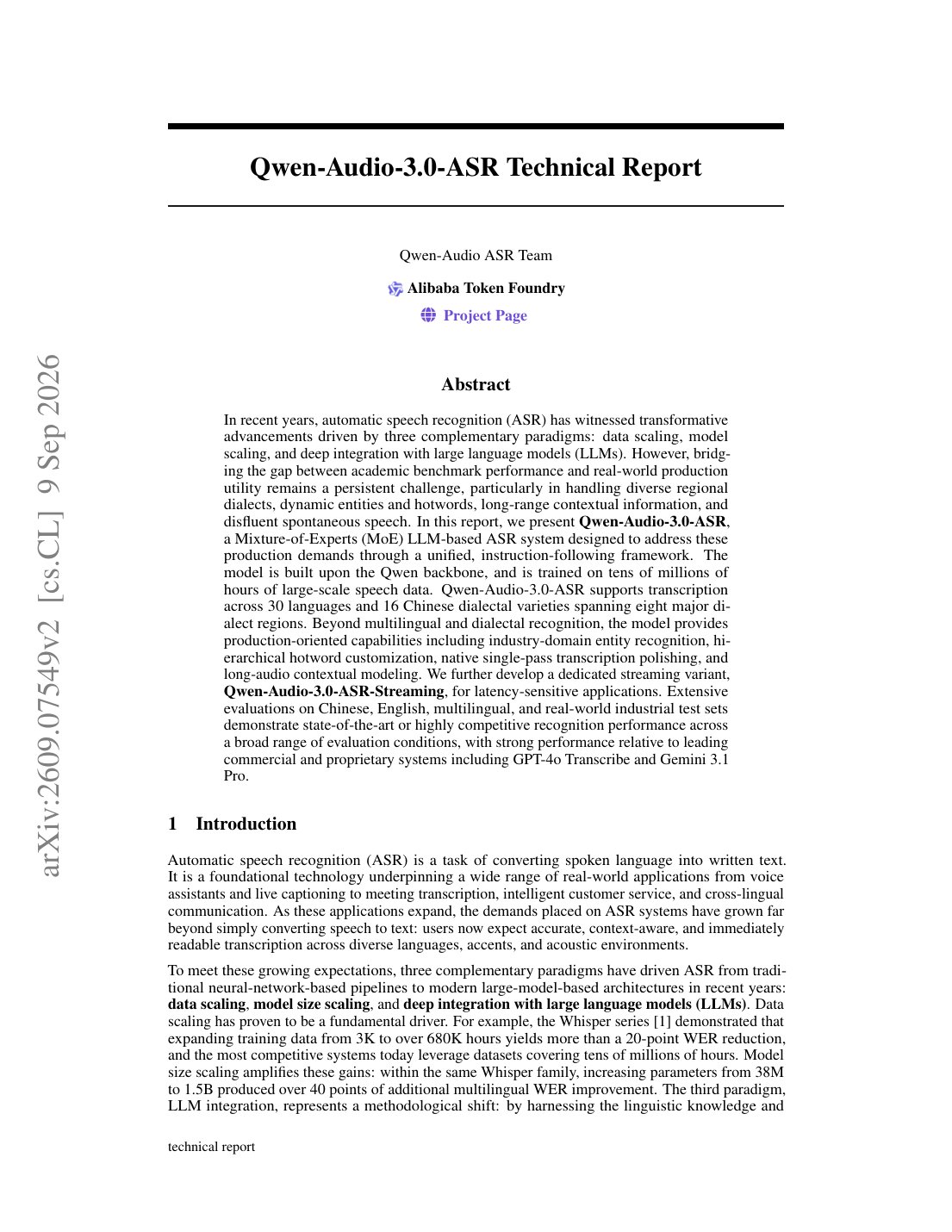
An instruction-controlled MoE ASR model trained on tens of millions of hours reaches 99.43% recall for priority person names under hotword conditioning.
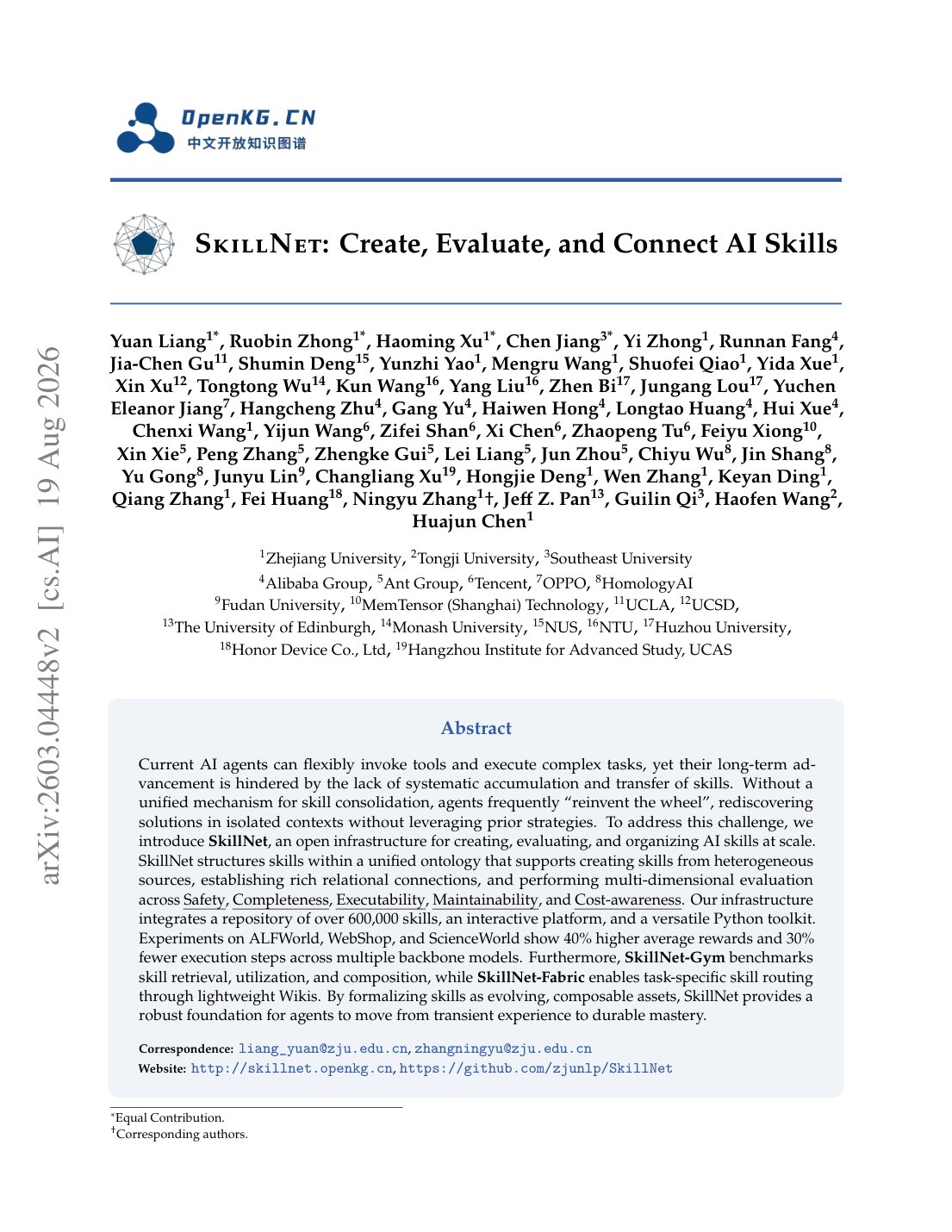
An ontology, evaluation scheme, and 600,000-skill repository let agents retrieve and compose prior procedures, reporting 40% higher rewards with 30% fewer steps.
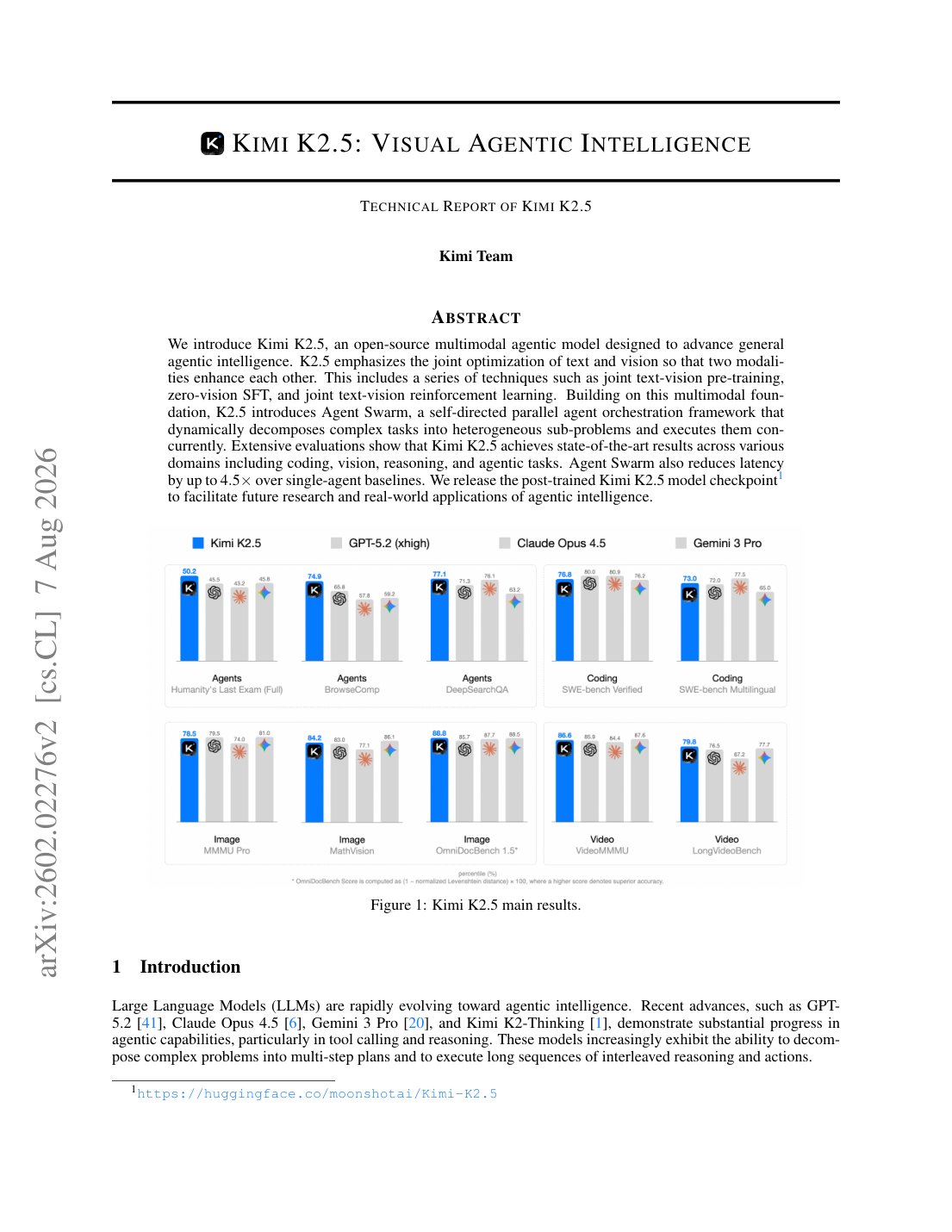
Kimi K2.5 couples joint text-vision training with dynamically scheduled parallel subagents, improving agentic search scores while reducing time to target quality.
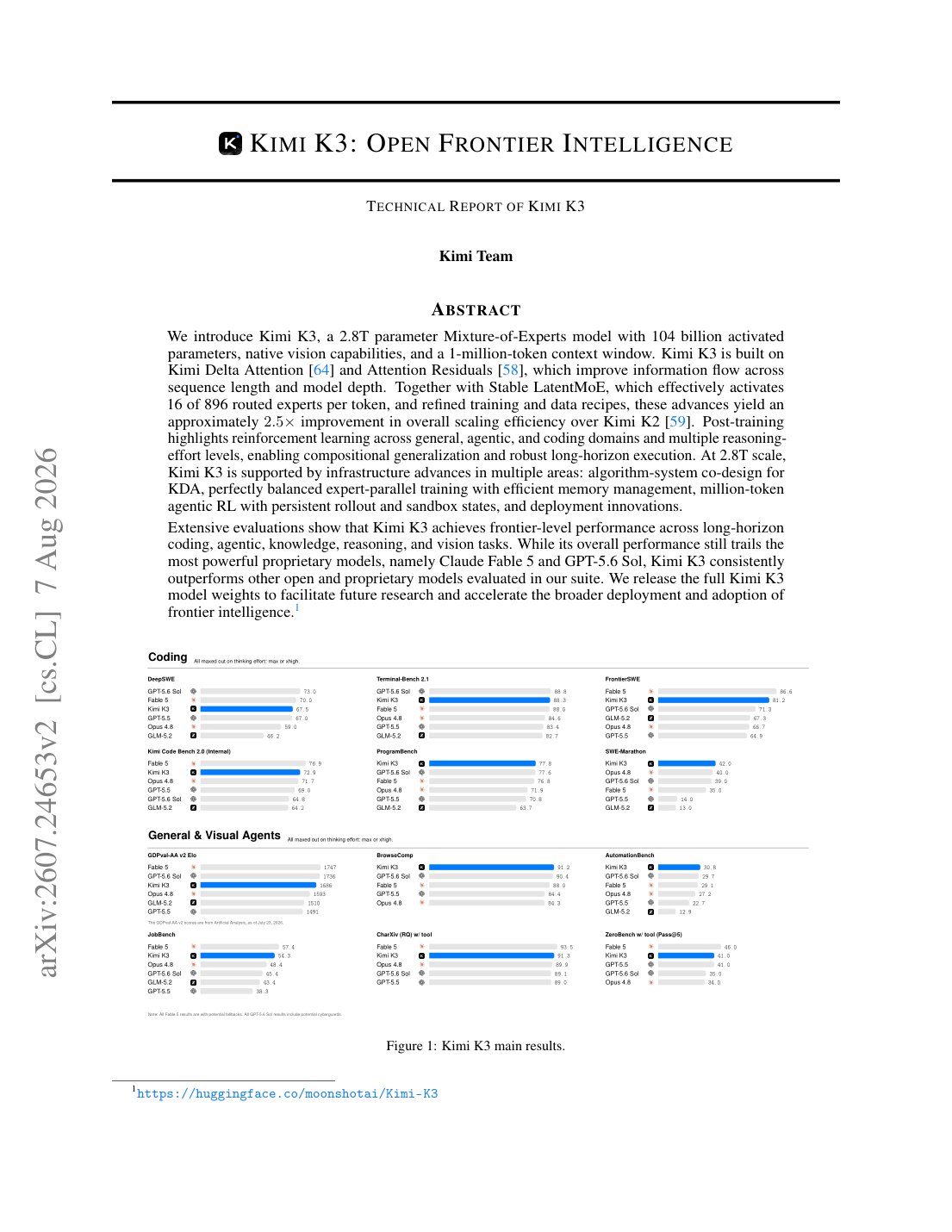
A 2.8T-parameter MoE combines Delta Attention, 16-of-896 expert routing, and agentic reinforcement learning to approach leading proprietary systems at lower task cost.
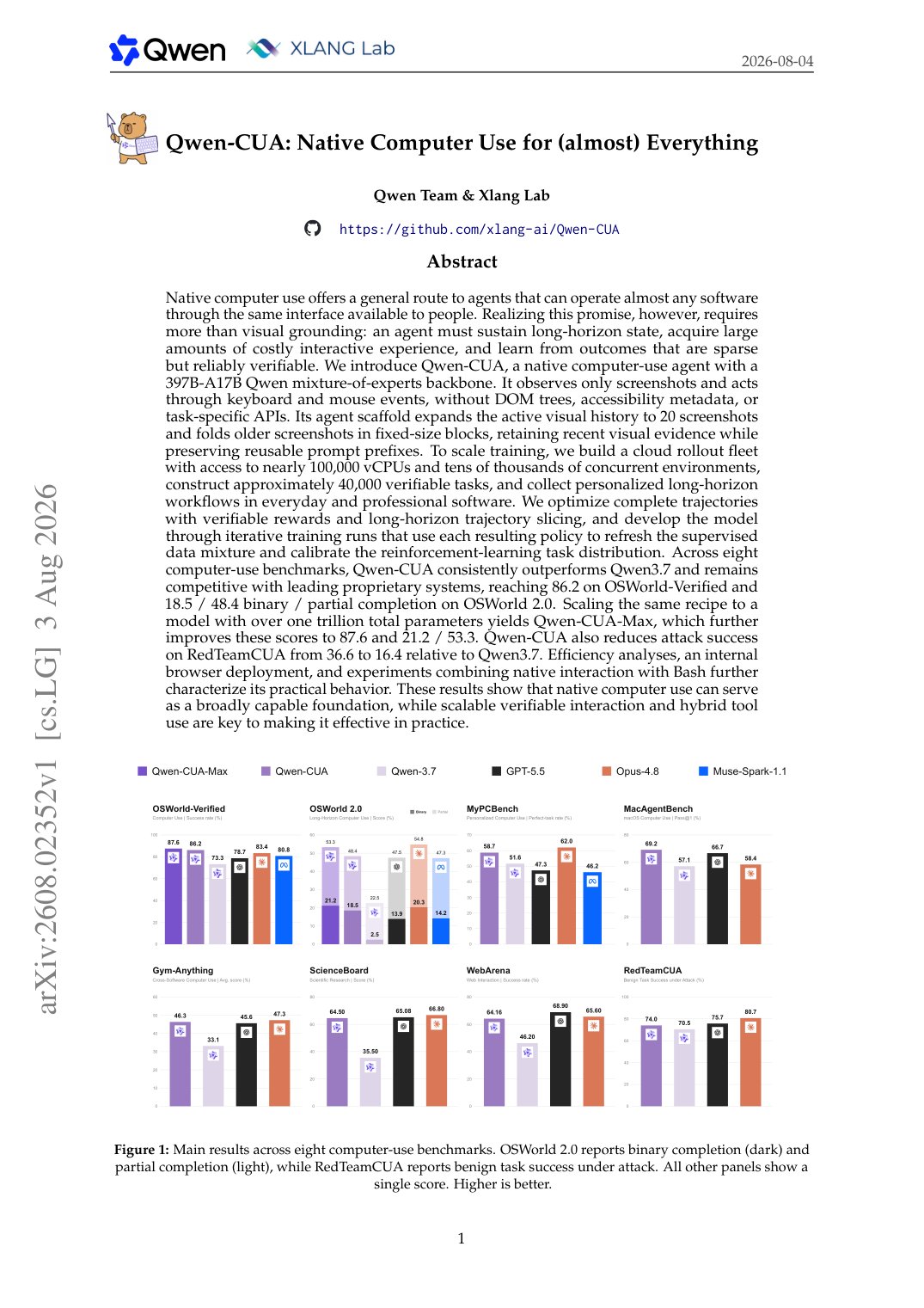
A 397B-A17B mixture-of-experts agent learns screenshot-only keyboard and mouse control from verifiable interactive trajectories, improving OSWorld-Verified performance to 86.2.
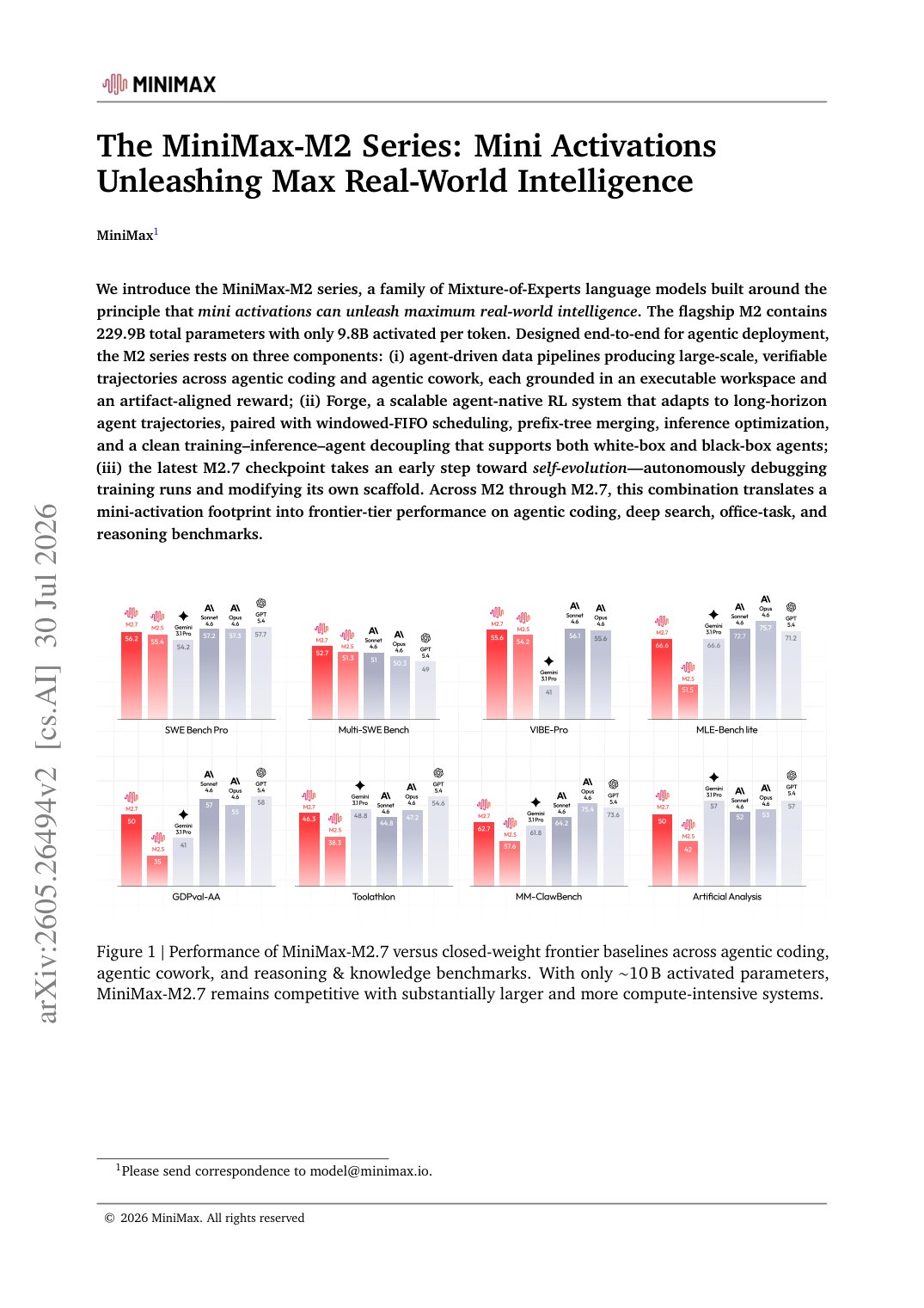
A sparse 229.9B-parameter MoE activates 9.8B parameters per token and pairs agent-native data with RL for coding, cowork, and reasoning tasks.
Soofi S activates 3B of 30B parameters per token and matches larger open models while reaching 4.8k TPS/GPU at 40K context.