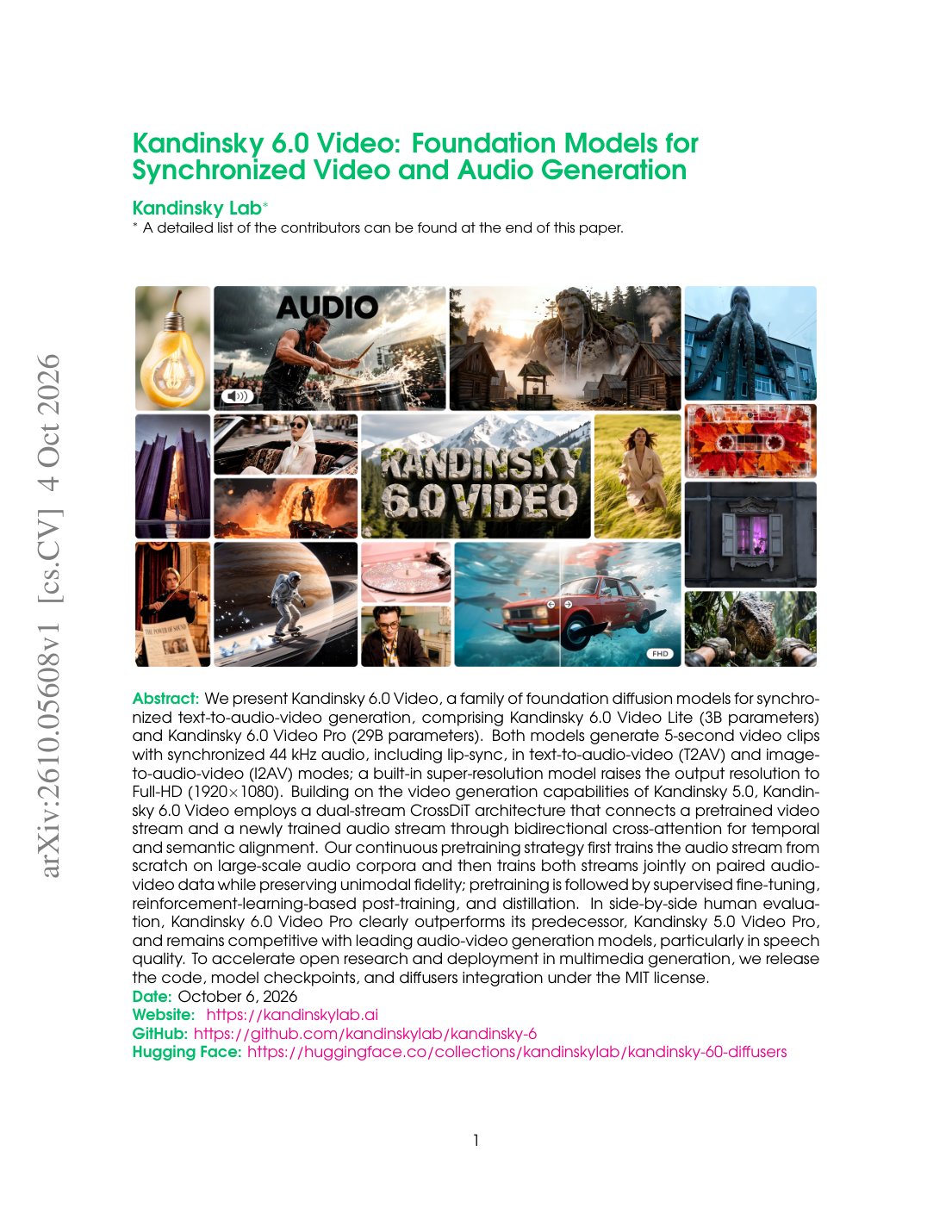
Kandinsky 6.0 Improves Its Predecessor’s Synchronized Video
A bidirectional dual-stream diffusion transformer couples a pretrained video model with a new audio stream to generate five-second clips with 44 kHz sound.
Oct 8, 20265 min2610.05608
All aspects of machine learning research including supervised, unsupervised, and reinforcement learning.
A bidirectional dual-stream diffusion transformer couples a pretrained video model with a new audio stream to generate five-second clips with 44 kHz sound.
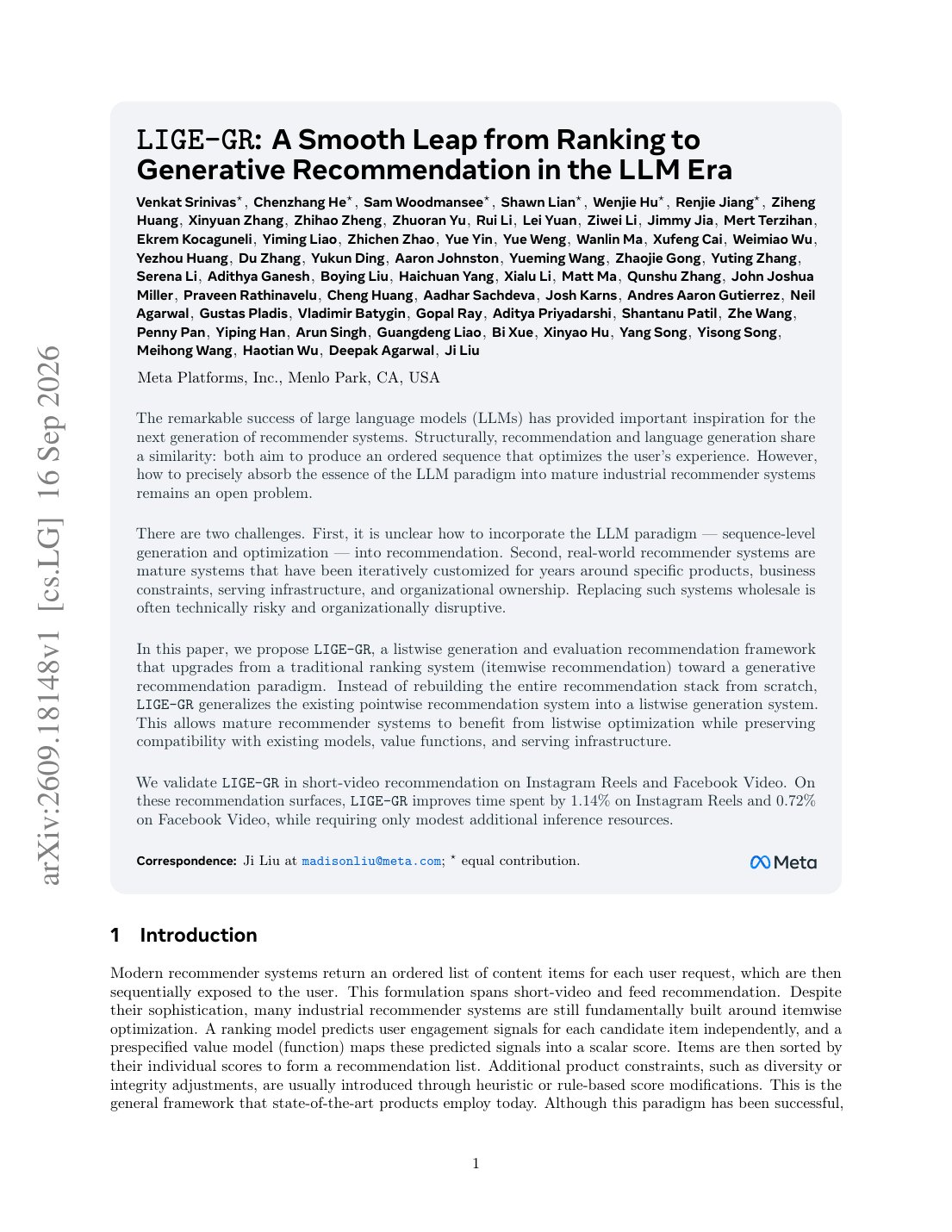
LIGE-GR adds causal list context, a list-level value function, and RL beam decoding to existing rankers, raising Reels time spent by 1.14%.
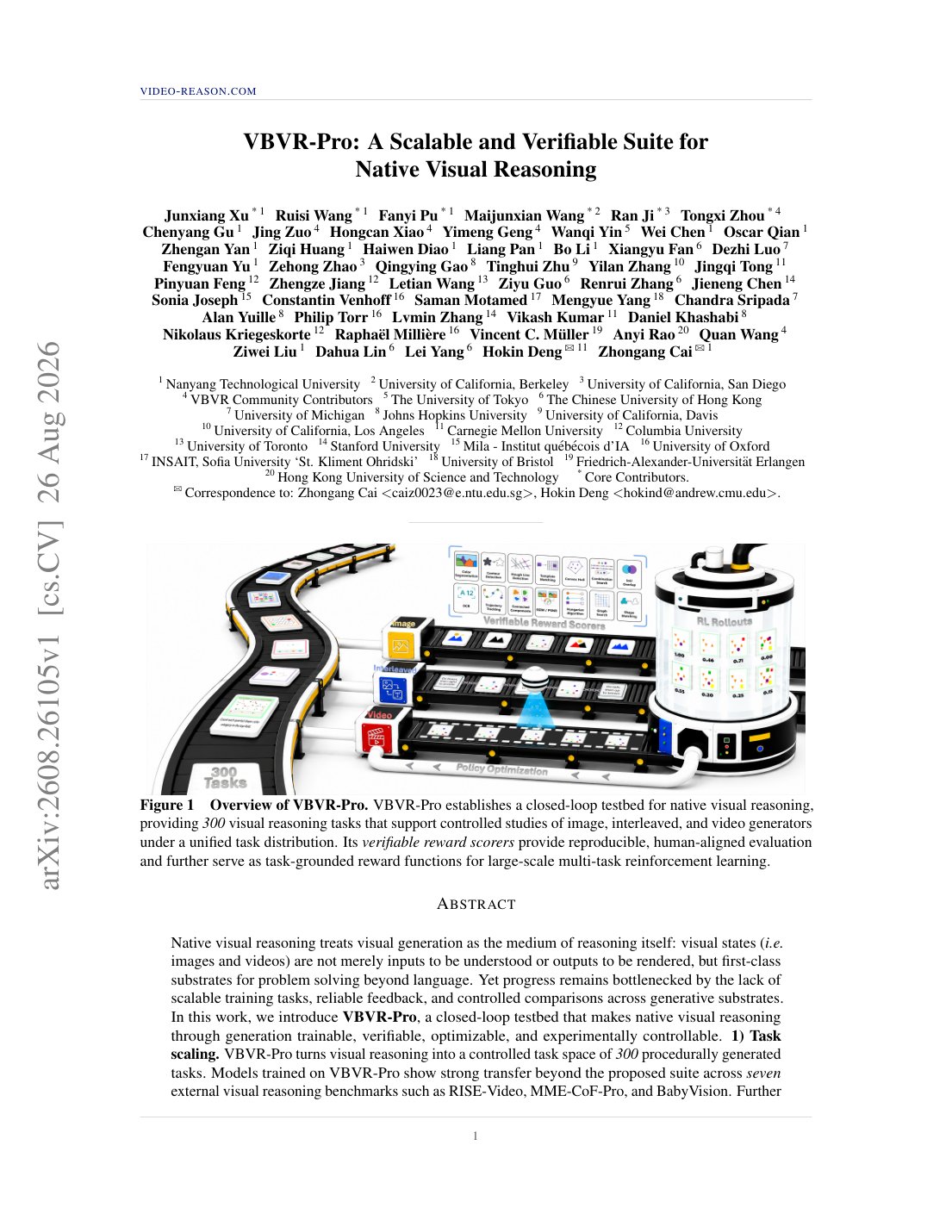
A 300-task procedural suite replaces preference-only judging with task-specific scorers, raising matched reinforcement-learning performance from 0.509 to 0.548.
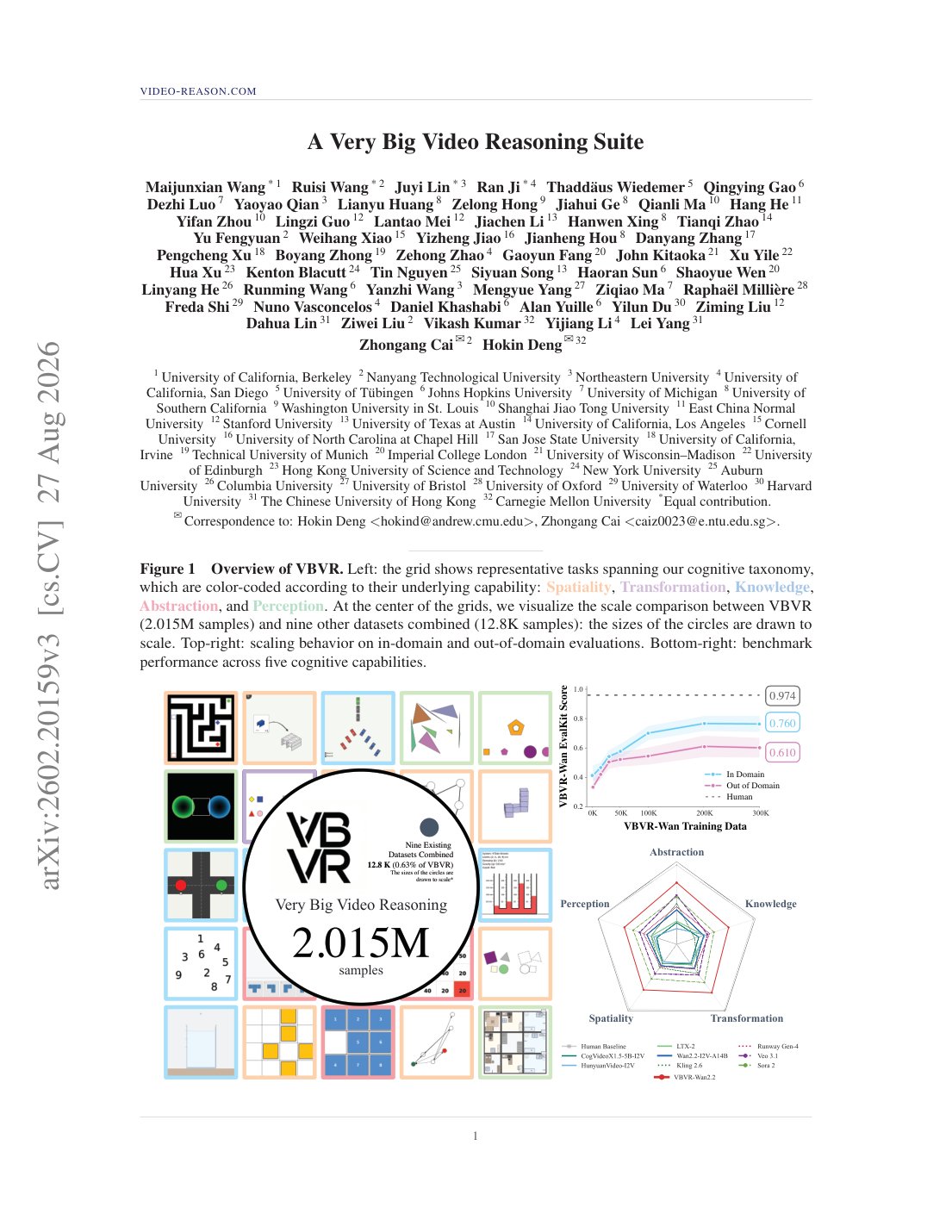
VBVR pairs 200 curated reasoning tasks with rule-based, human-aligned evaluation to study whether video models generalize across spatiotemporal reasoning problems.
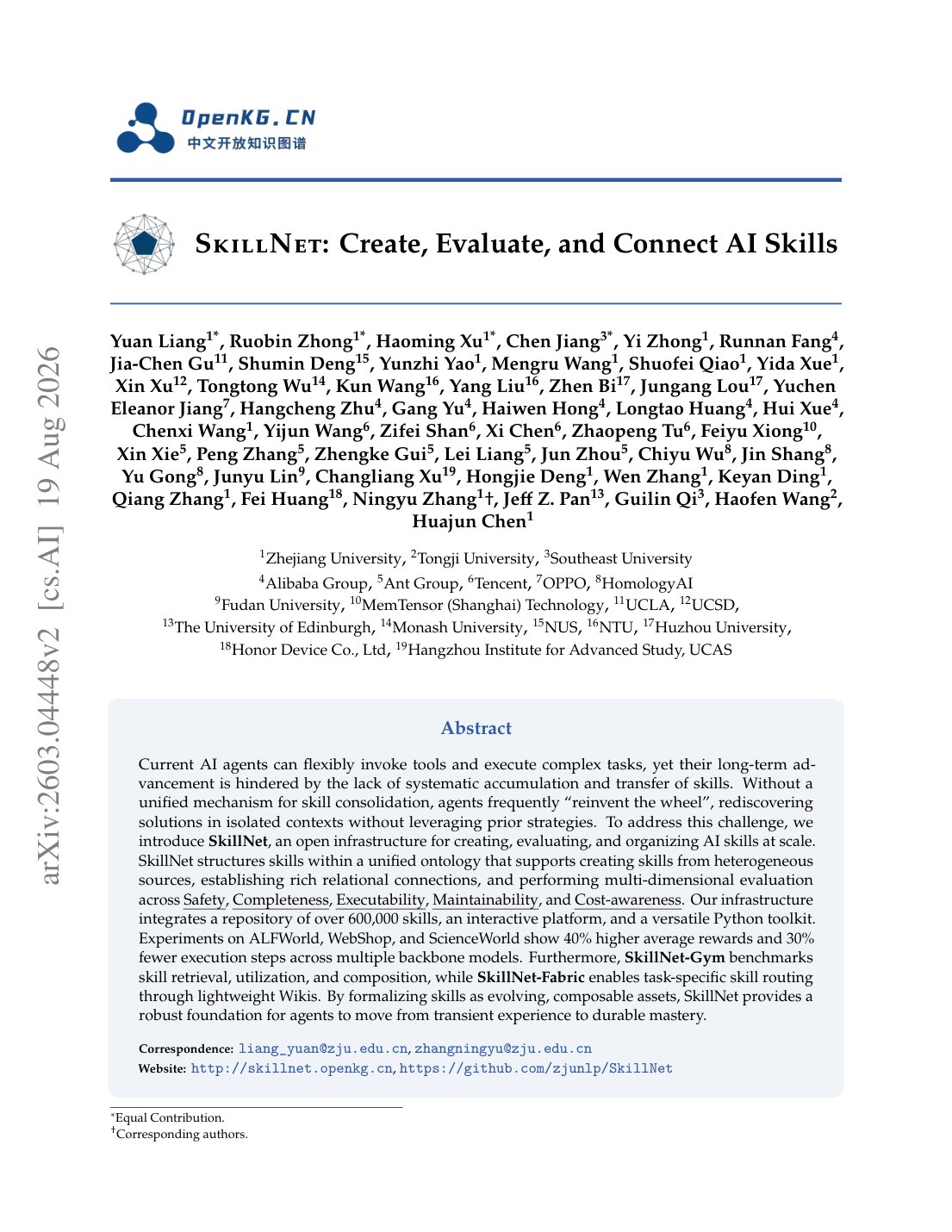
An ontology, evaluation scheme, and 600,000-skill repository let agents retrieve and compose prior procedures, reporting 40% higher rewards with 30% fewer steps.
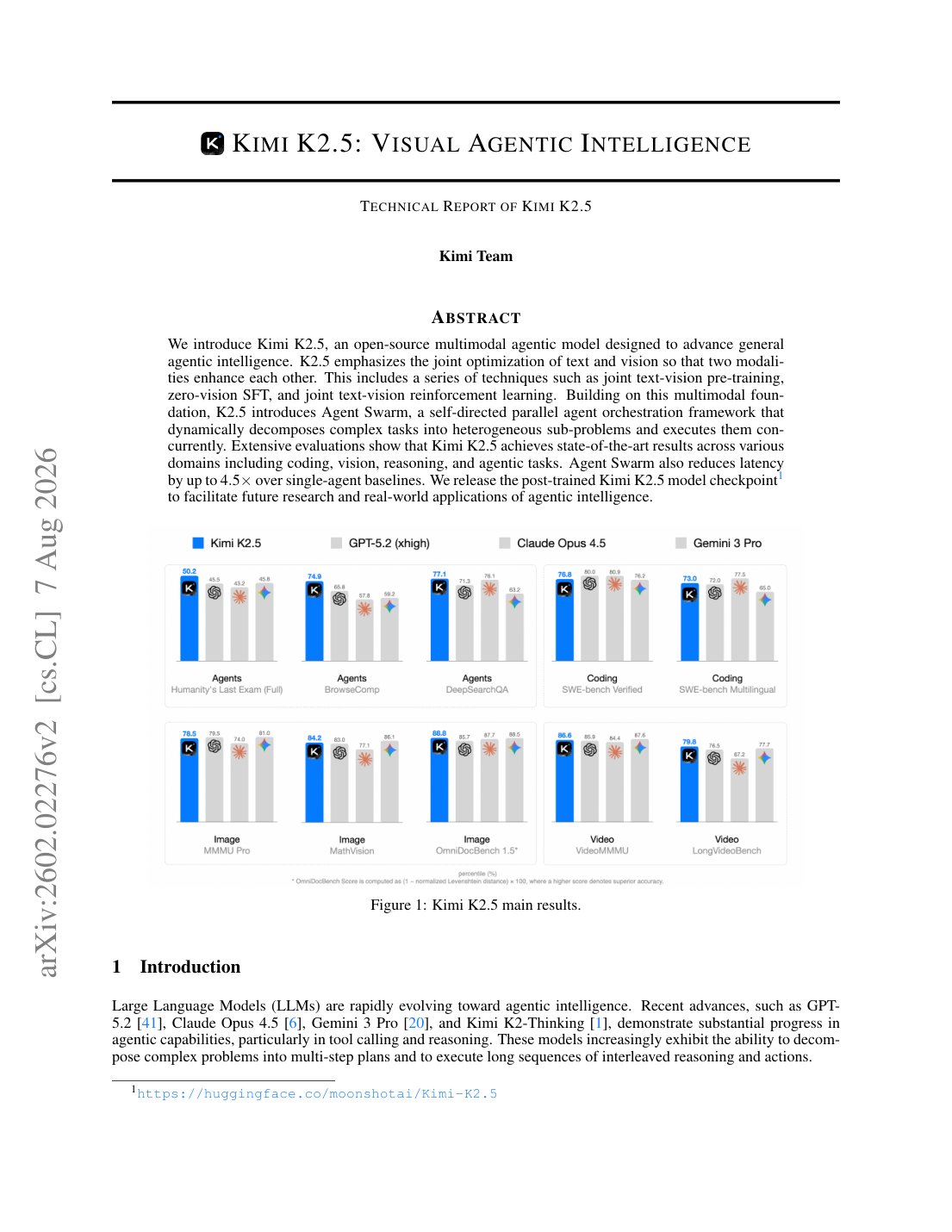
Kimi K2.5 couples joint text-vision training with dynamically scheduled parallel subagents, improving agentic search scores while reducing time to target quality.
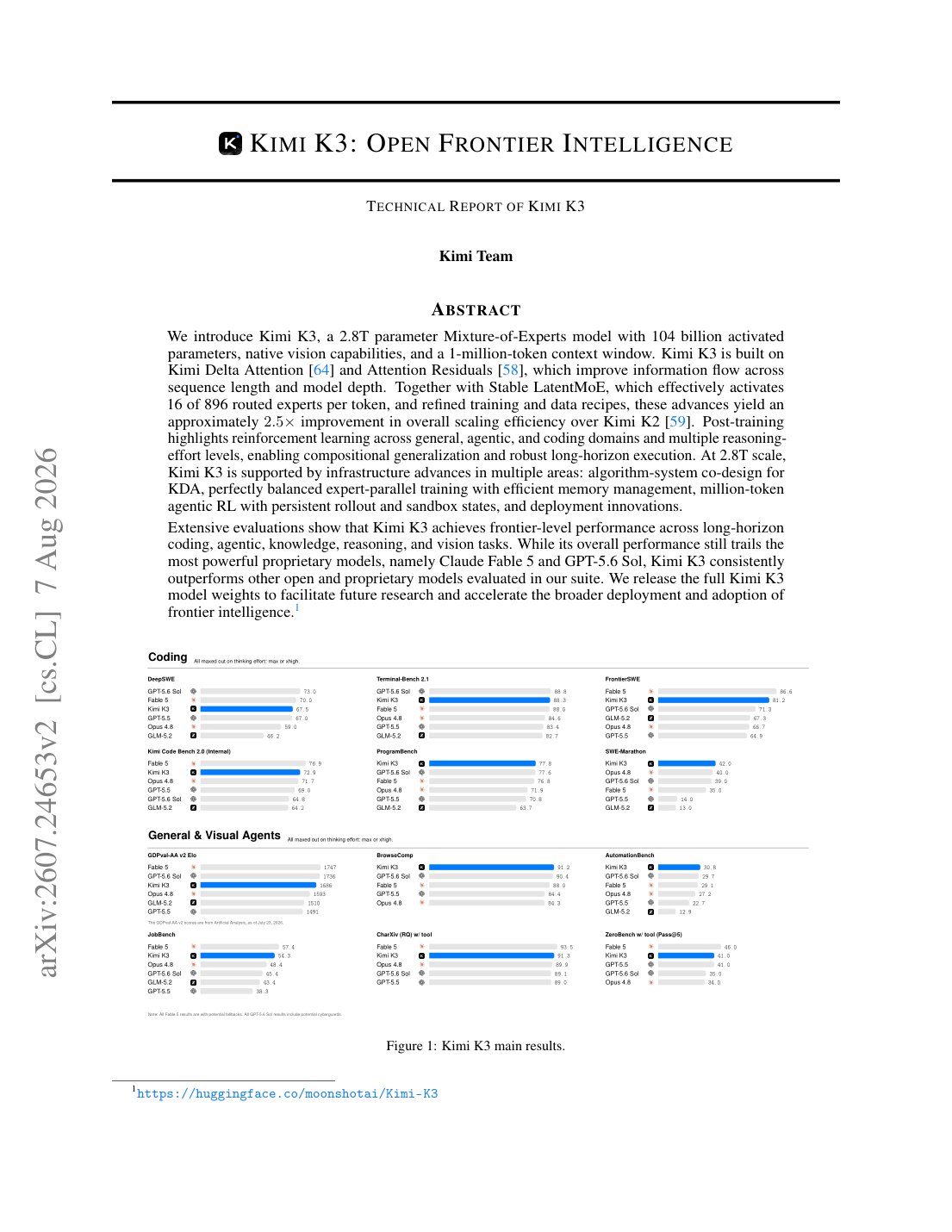
A 2.8T-parameter MoE combines Delta Attention, 16-of-896 expert routing, and agentic reinforcement learning to approach leading proprietary systems at lower task cost.
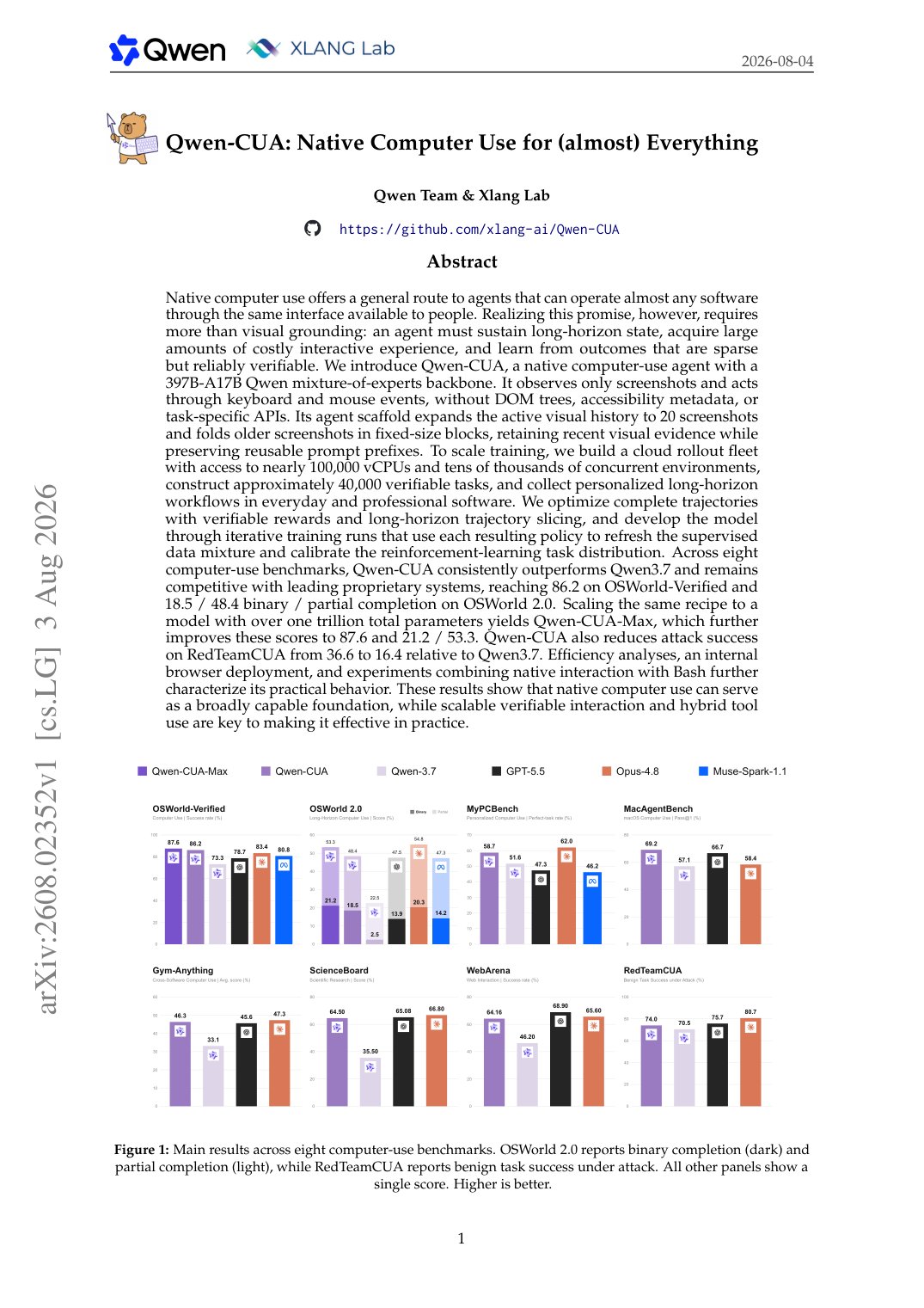
A 397B-A17B mixture-of-experts agent learns screenshot-only keyboard and mouse control from verifiable interactive trajectories, improving OSWorld-Verified performance to 86.2.
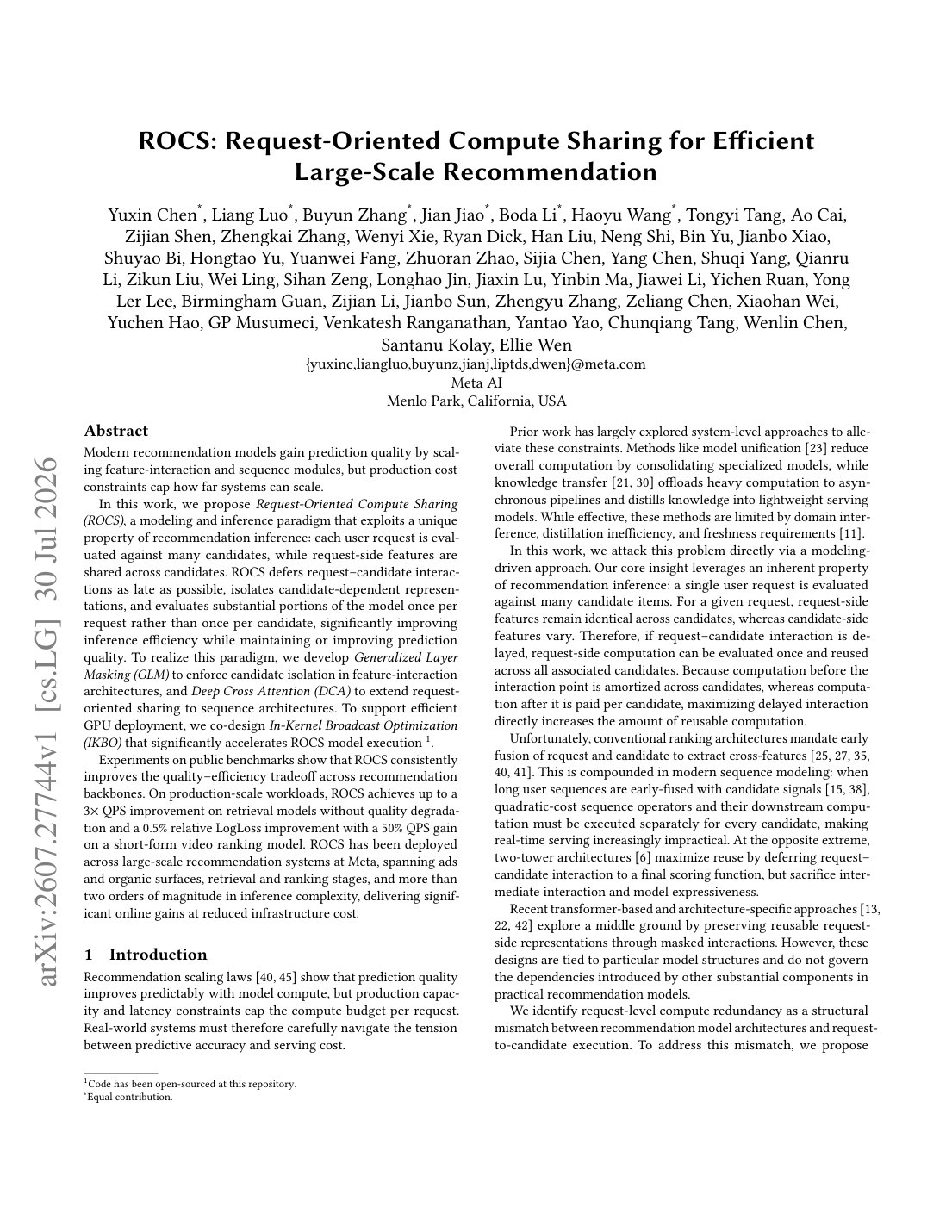
ROCS separates request-side and candidate-side computation, reaching up to 3× higher retrieval QPS and 50% higher ranking QPS in production.
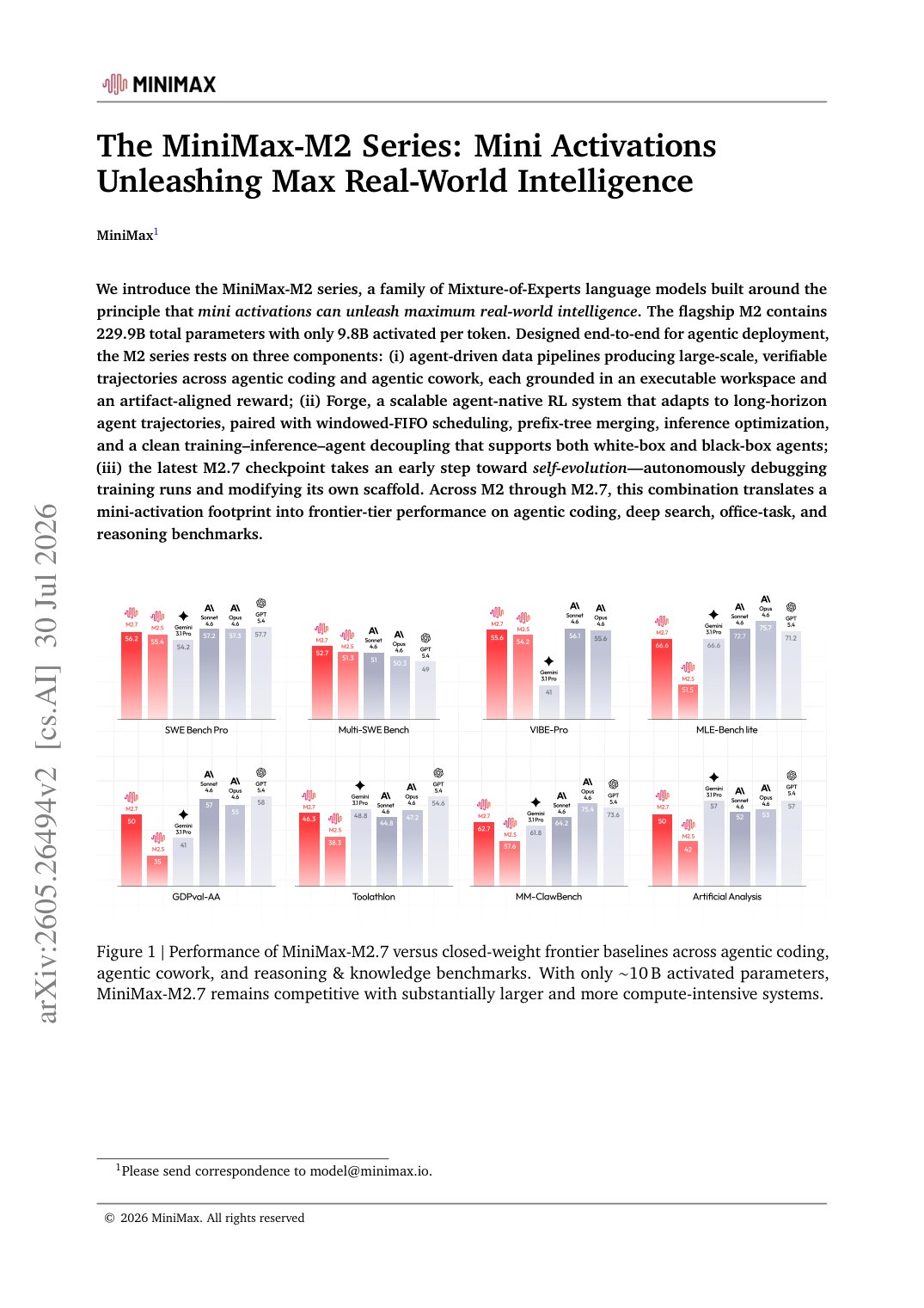
A sparse 229.9B-parameter MoE activates 9.8B parameters per token and pairs agent-native data with RL for coding, cowork, and reasoning tasks.