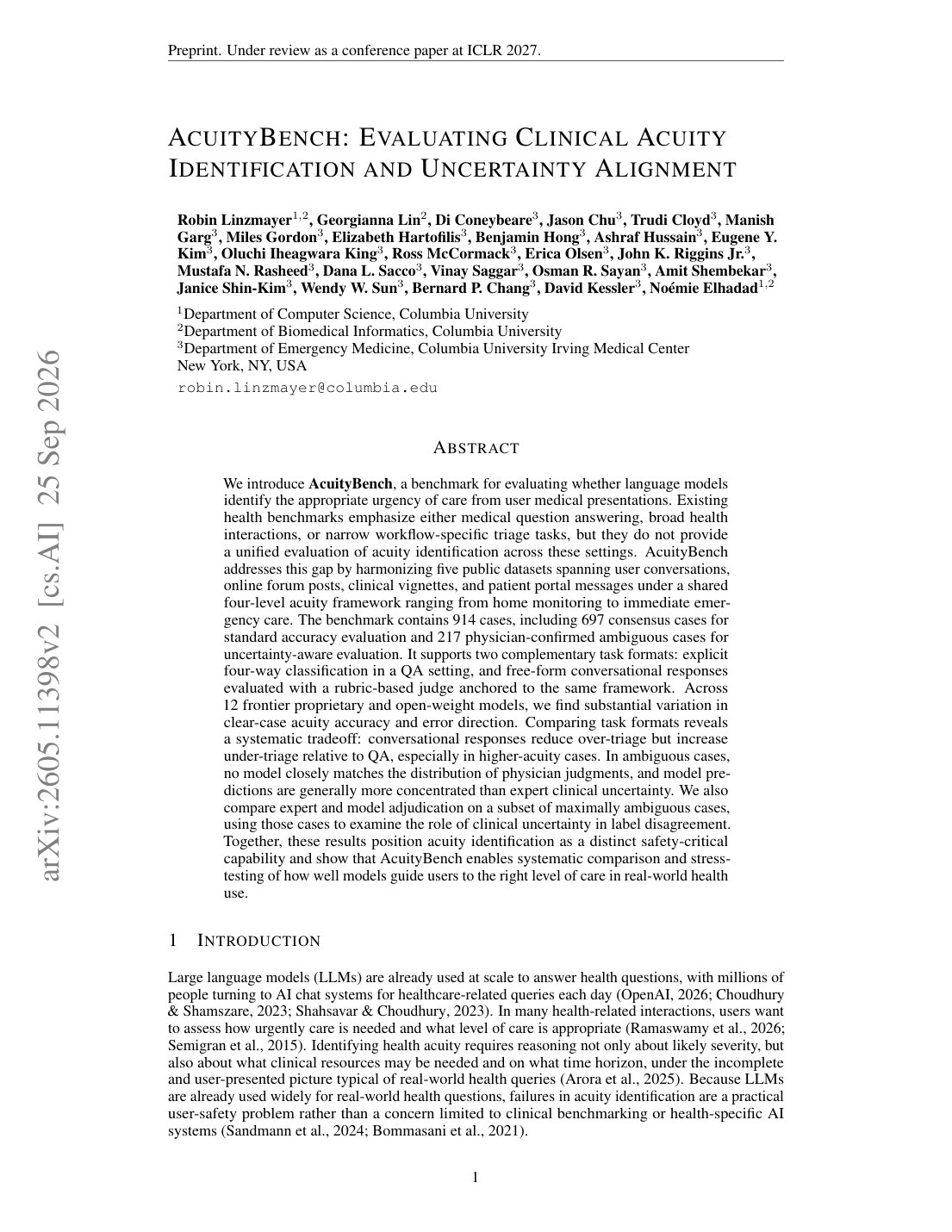
AcuityBench Exposes Miscalibrated Clinical Triage Uncertainty
A 914-case benchmark tests 12 models across four care levels, showing that conversational triage trades less over-triage for more under-triage.
Oct 11, 20264 min2605.11398
Research across all areas of computer science, from theoretical foundations to applied systems.
A 914-case benchmark tests 12 models across four care levels, showing that conversational triage trades less over-triage for more under-triage.
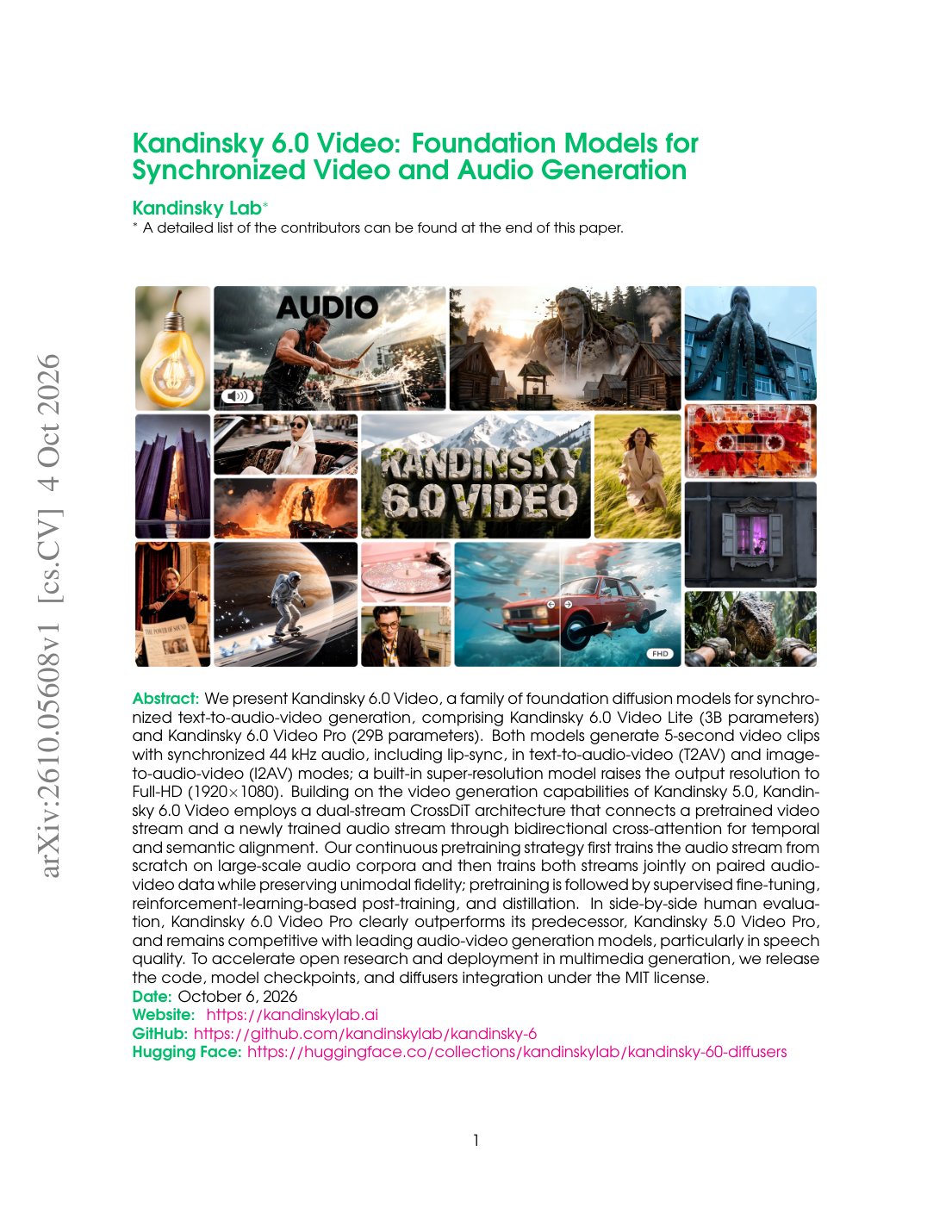
A bidirectional dual-stream diffusion transformer couples a pretrained video model with a new audio stream to generate five-second clips with 44 kHz sound.
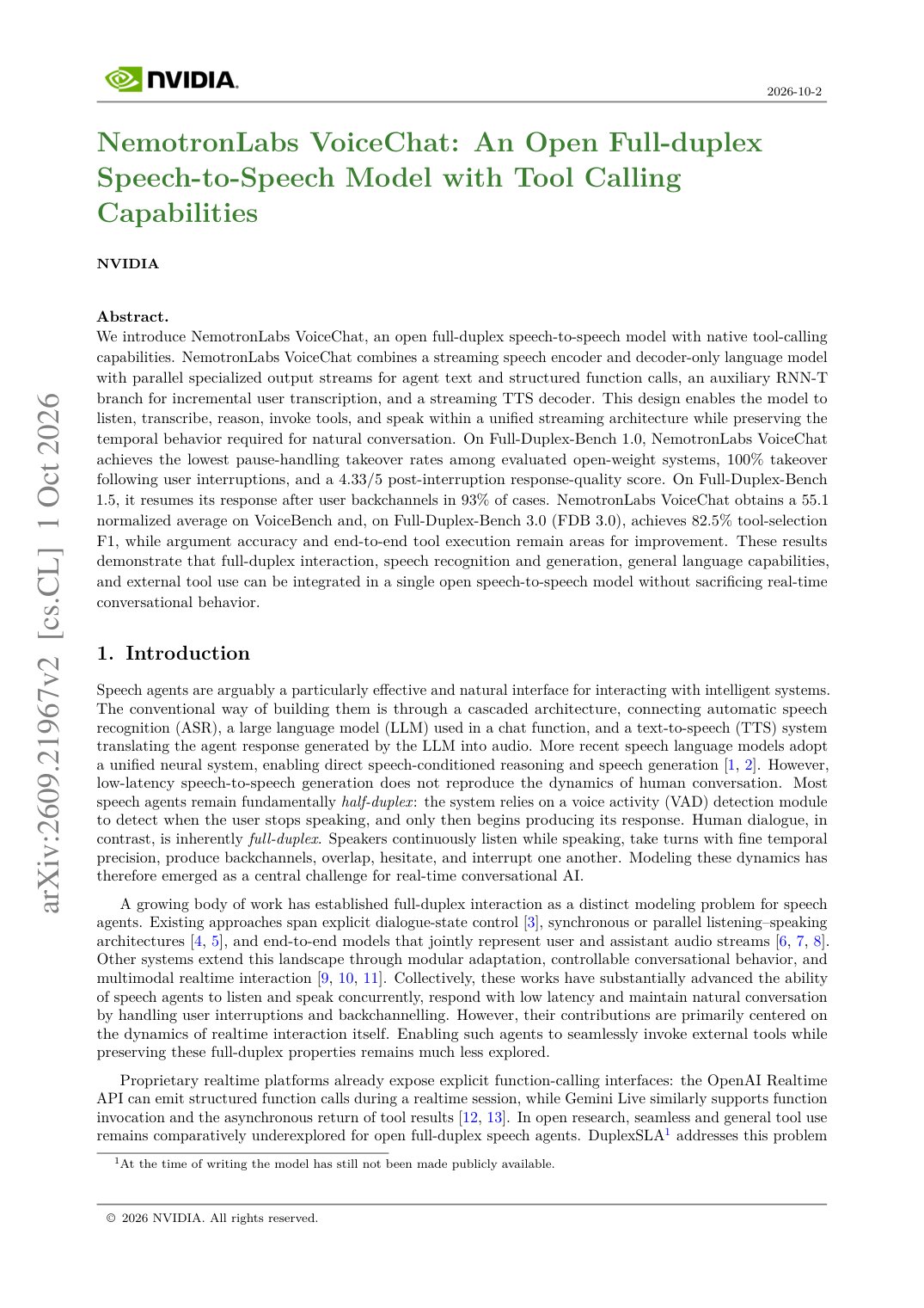
A streaming speech stack separates response text, function calls, transcription, and synthesis, reaching 82.5% tool-selection F1 while maintaining interruption handling.
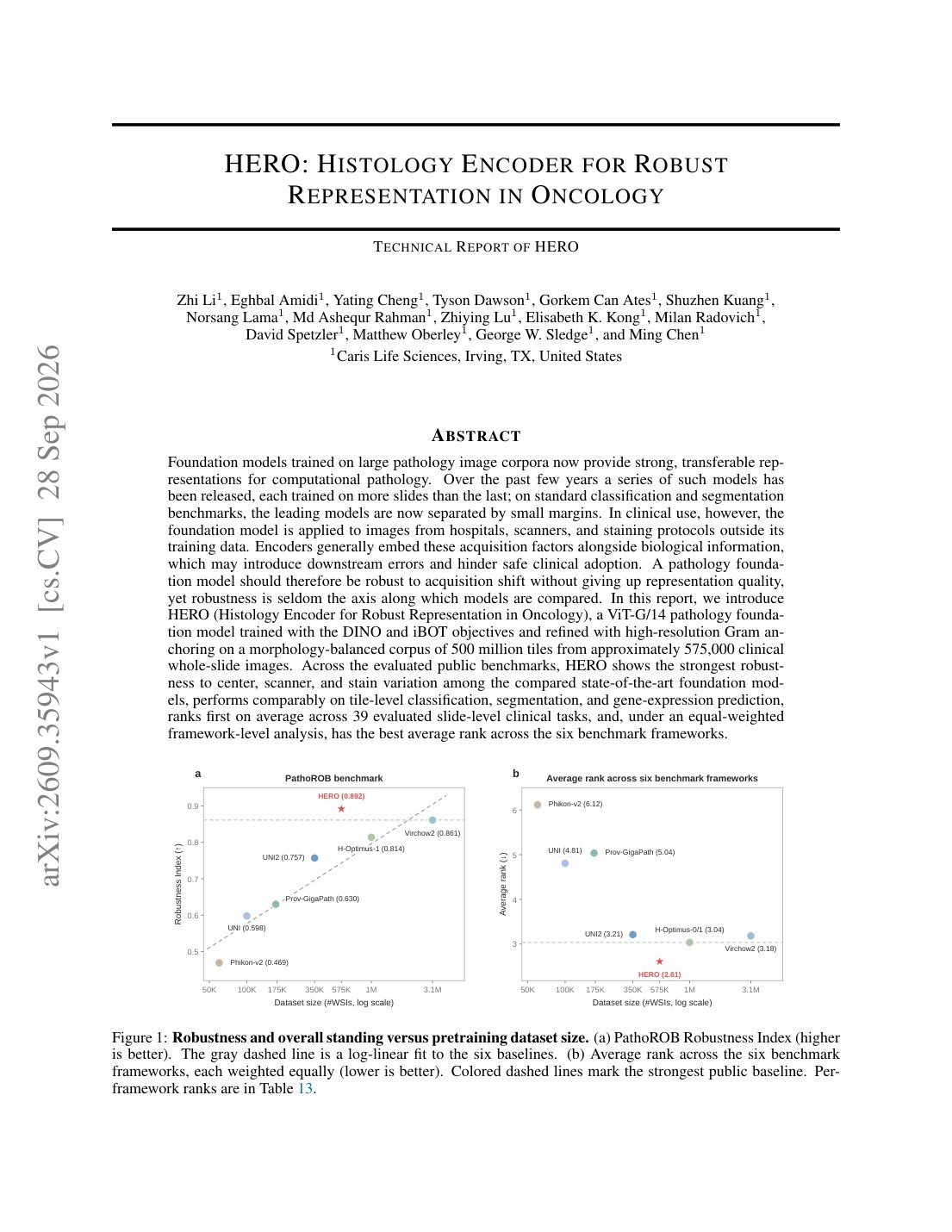
A ViT-G/14 pathology encoder combines DINO and iBOT pretraining with high-resolution Gram anchoring, targeting reliable representations across center, scanner, and stain variation.
A blinded comparison of 25 LLMs and 73 scientists finds stronger individual AI performance but more prediction-efficient, aggregable human theories.
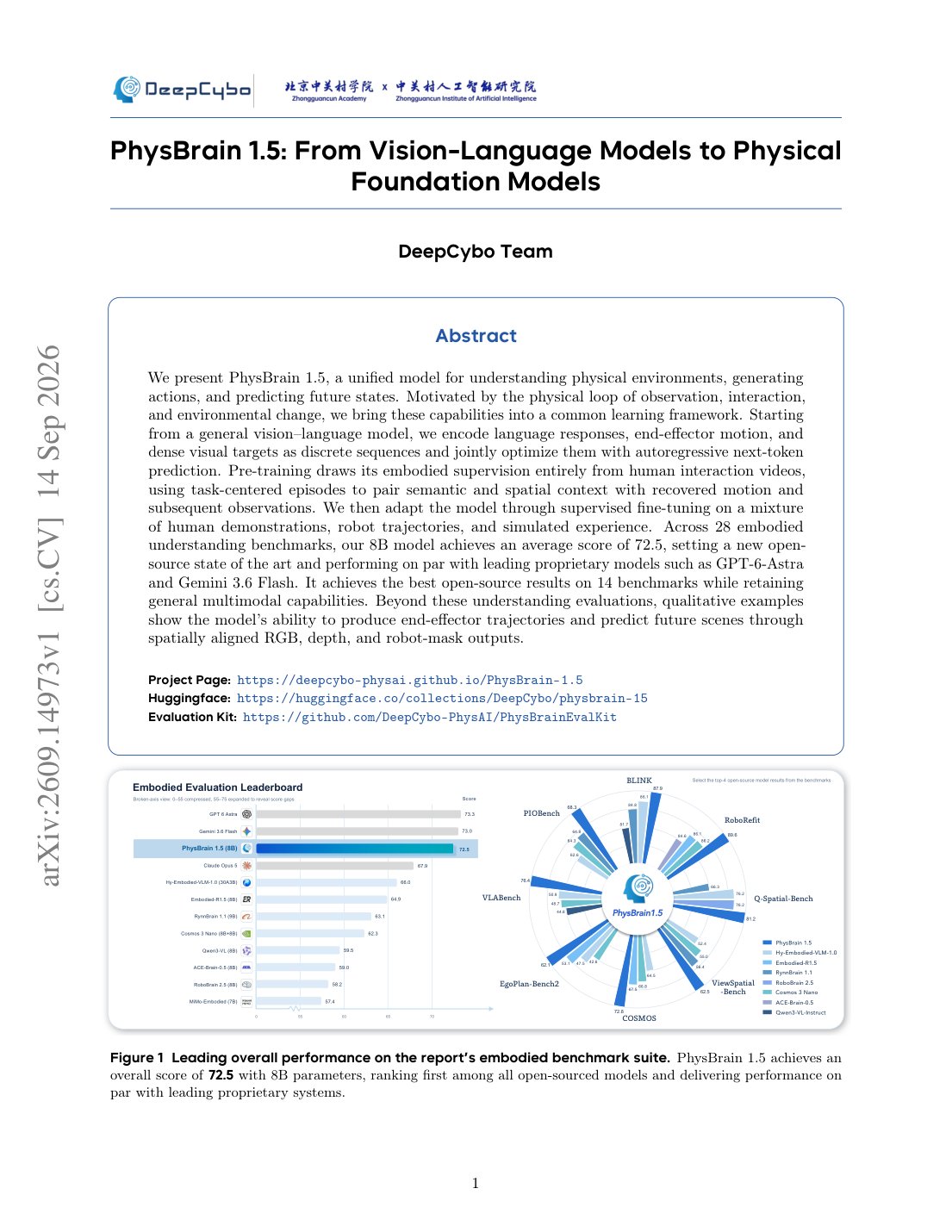
An 8B autoregressive model turns language, end-effector motion, and visual targets into one token stream, reaching a 72.5 average across 28 embodied benchmarks.
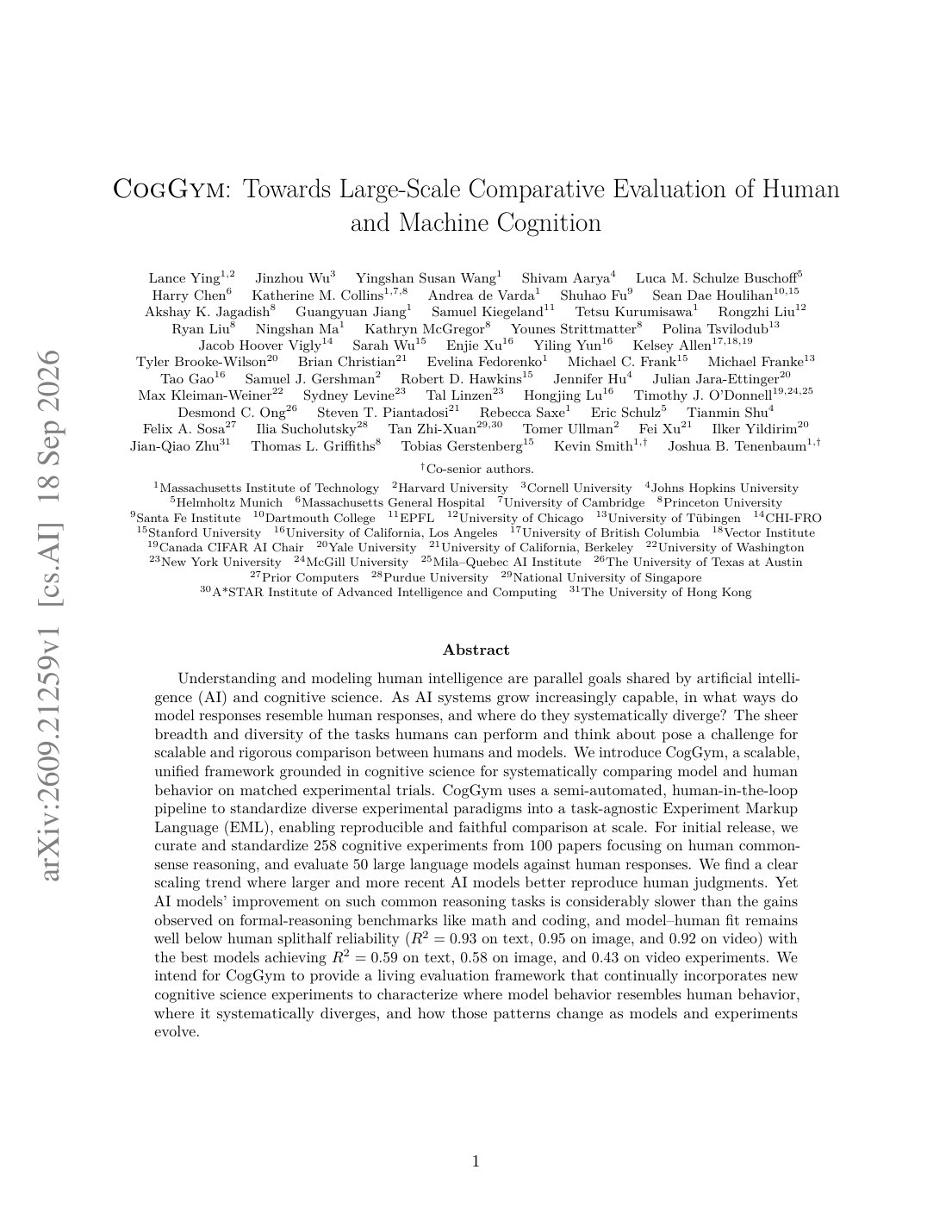
A unified evaluation of 50 language models across 258 cognitive experiments finds improving model--human fit, but a substantial gap from human reliability remains.
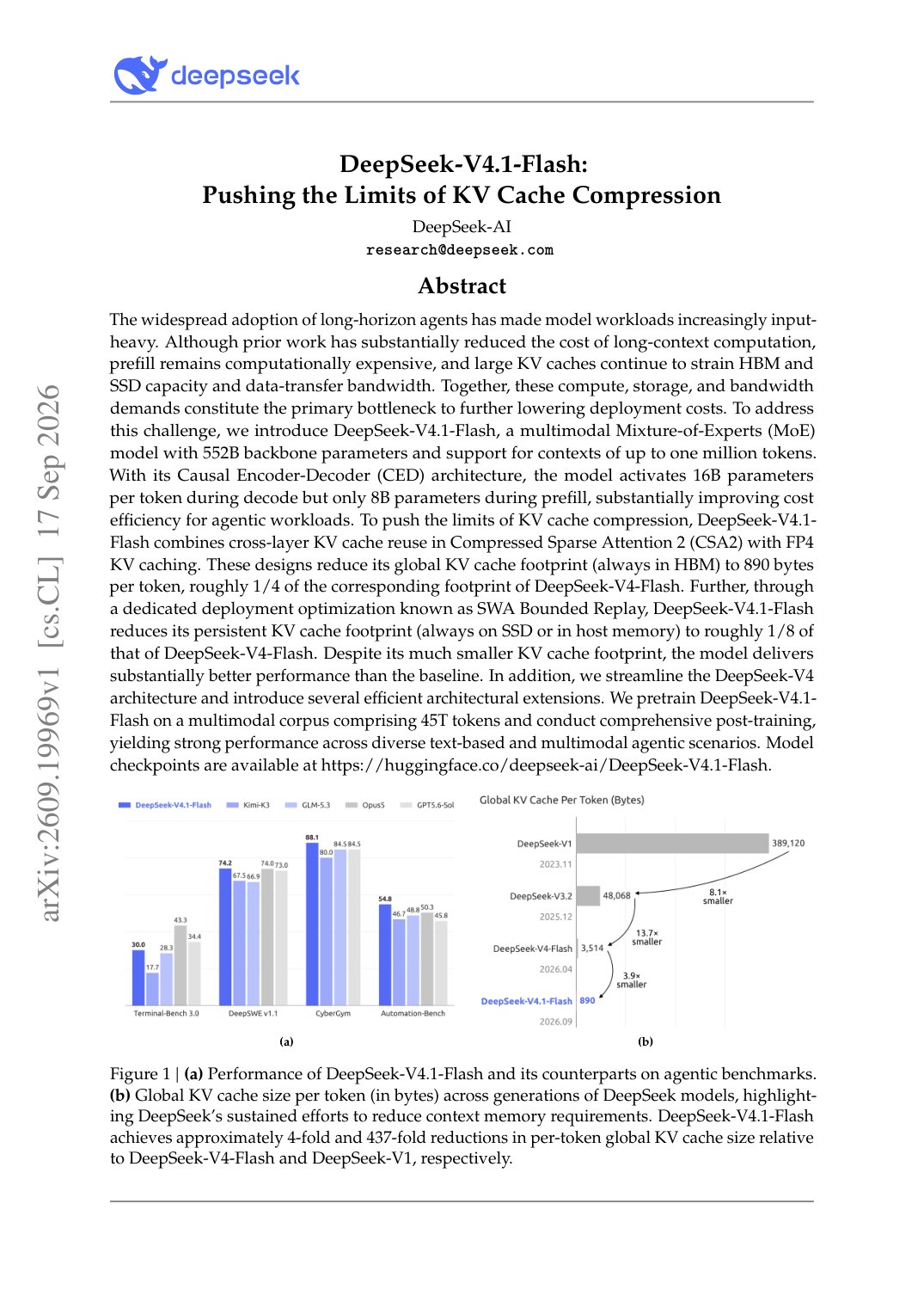
A causal encoder-decoder MoE pairs cross-layer sparse-attention reuse with FP4 caching to reduce global context memory to 890 bytes per token.
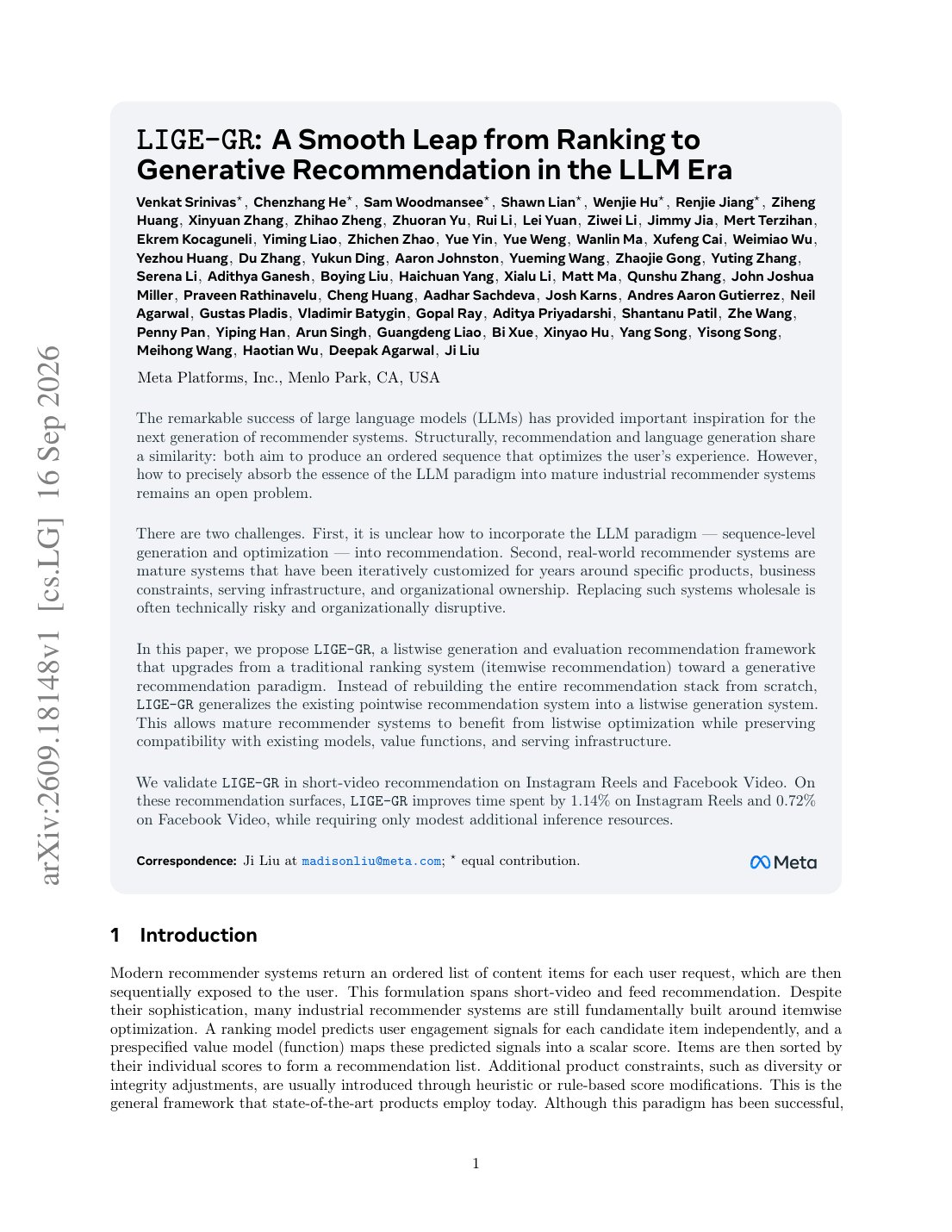
LIGE-GR adds causal list context, a list-level value function, and RL beam decoding to existing rankers, raising Reels time spent by 1.14%.
A chemistry-focused extension to MinerU converts document regions into molecule and reaction records, outperforming the evaluated GPT-5.6-Sol comparison on a SMILES benchmark subset.