AcuityBench Exposes Miscalibrated Clinical Triage Uncertainty
A 914-case benchmark tests 12 models across four care levels, showing that conversational triage trades less over-triage for more under-triage.
Oct 11, 20264 min2605.11398
Covers all areas of AI except Vision, Robotics, Machine Learning, Multiagent Systems, and NLP.
A 914-case benchmark tests 12 models across four care levels, showing that conversational triage trades less over-triage for more under-triage.
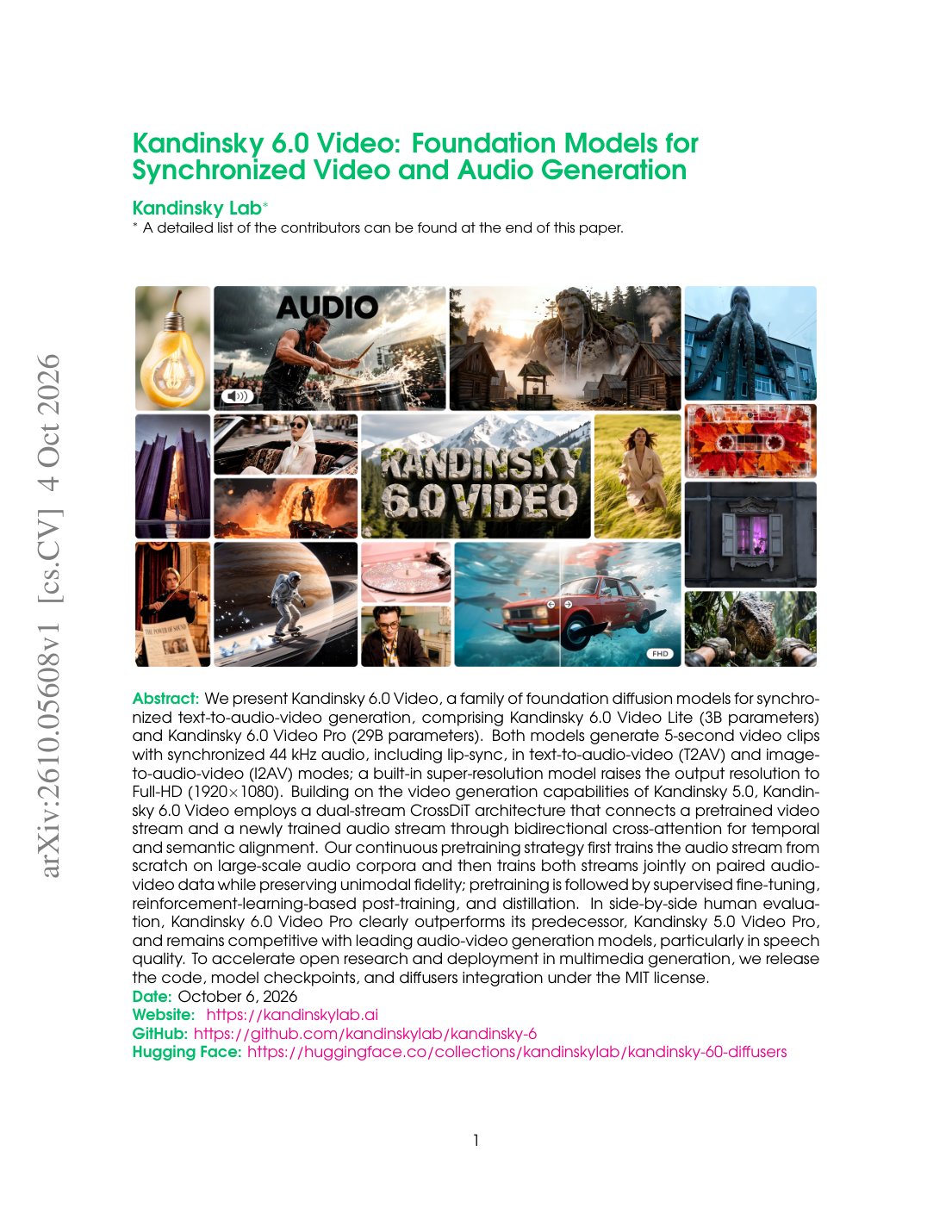
A bidirectional dual-stream diffusion transformer couples a pretrained video model with a new audio stream to generate five-second clips with 44 kHz sound.
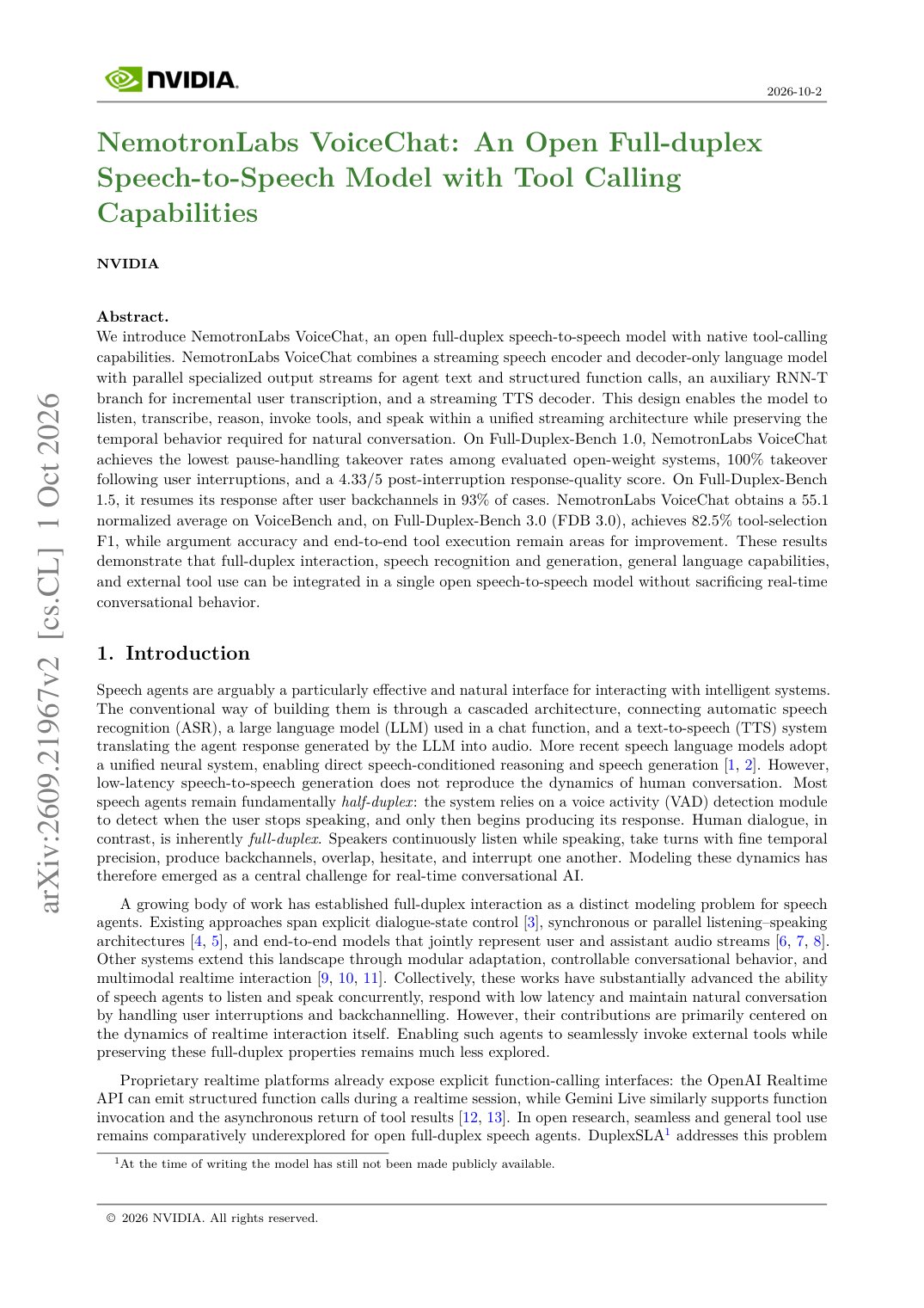
A streaming speech stack separates response text, function calls, transcription, and synthesis, reaching 82.5% tool-selection F1 while maintaining interruption handling.
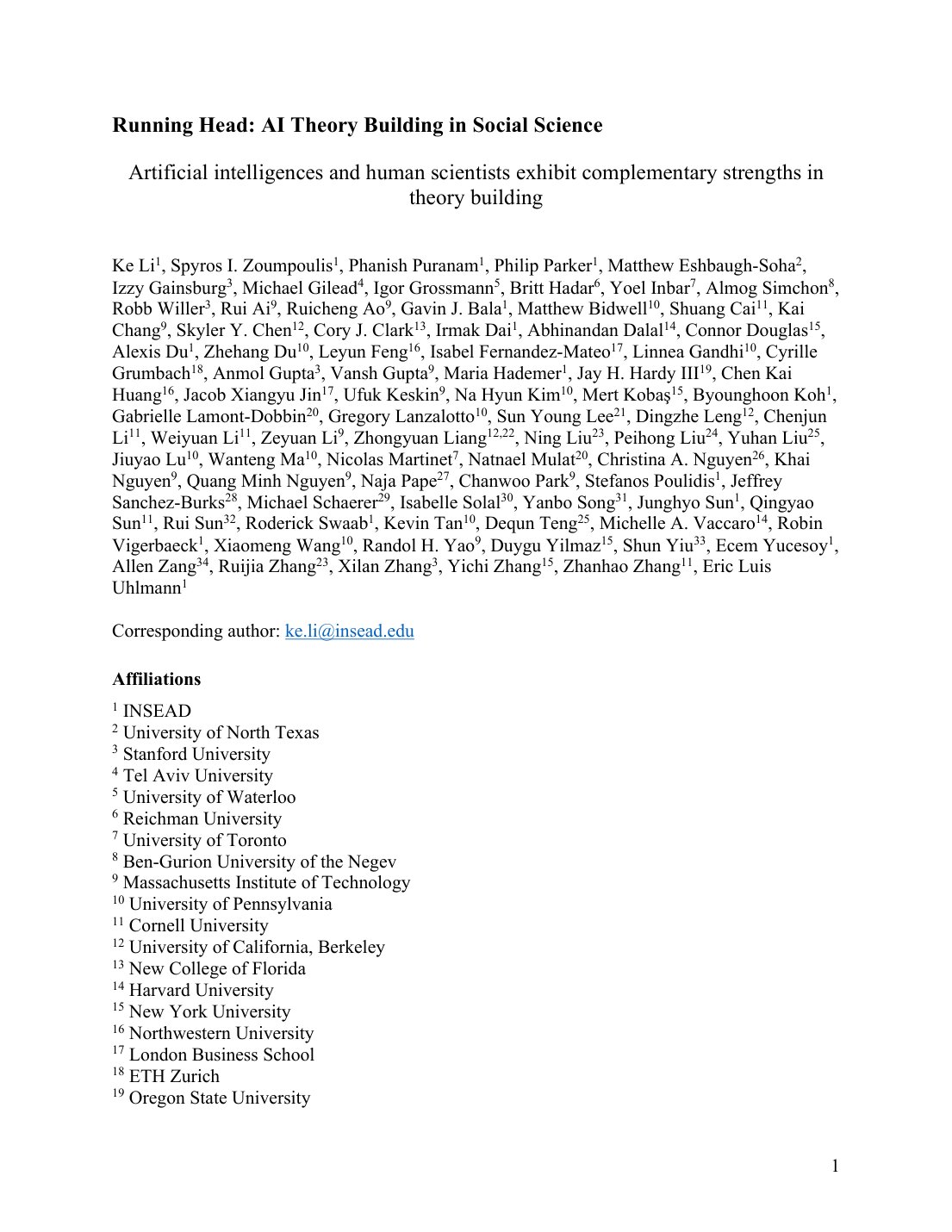
A blinded comparison of 25 LLMs and 73 scientists finds stronger individual AI performance but more prediction-efficient, aggregable human theories.
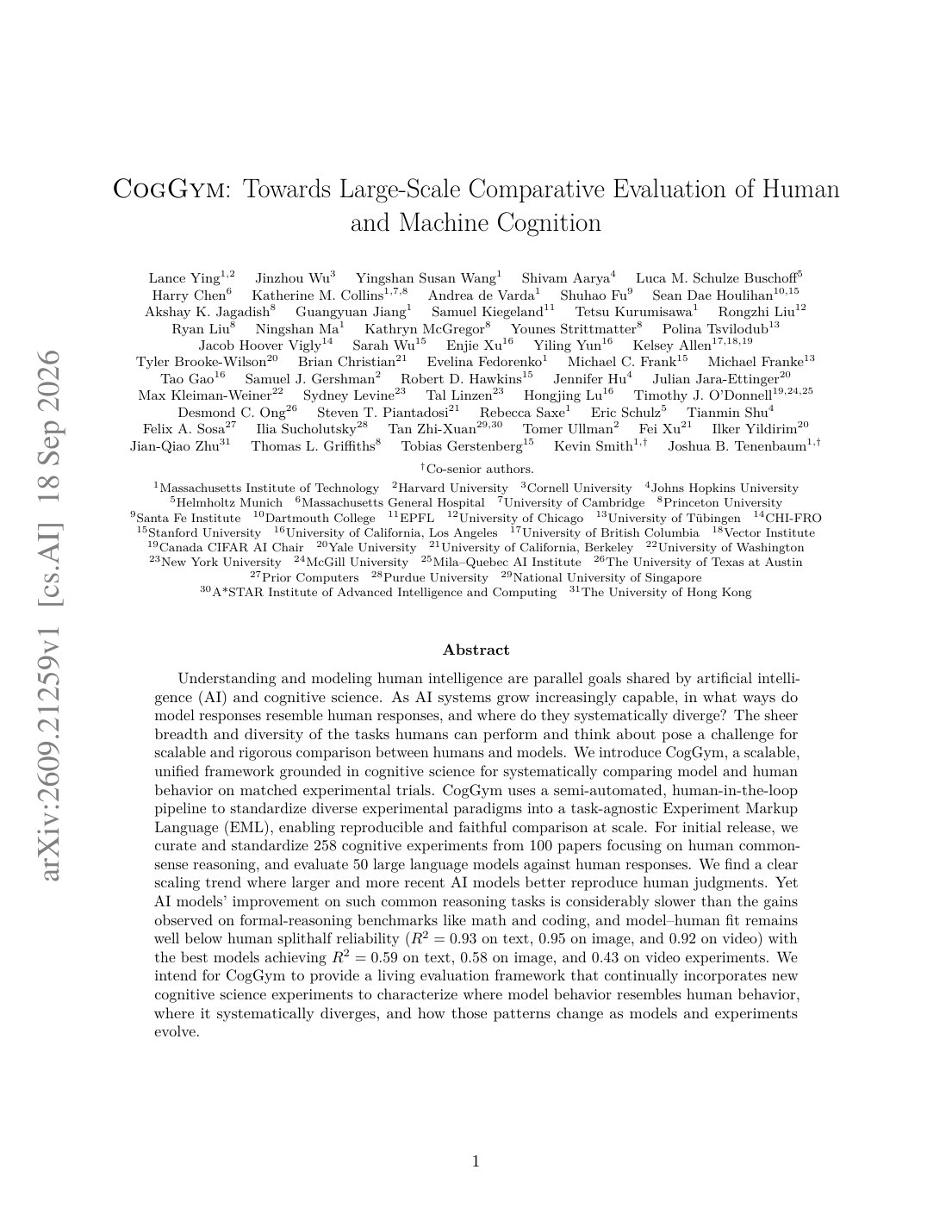
A unified evaluation of 50 language models across 258 cognitive experiments finds improving model--human fit, but a substantial gap from human reliability remains.
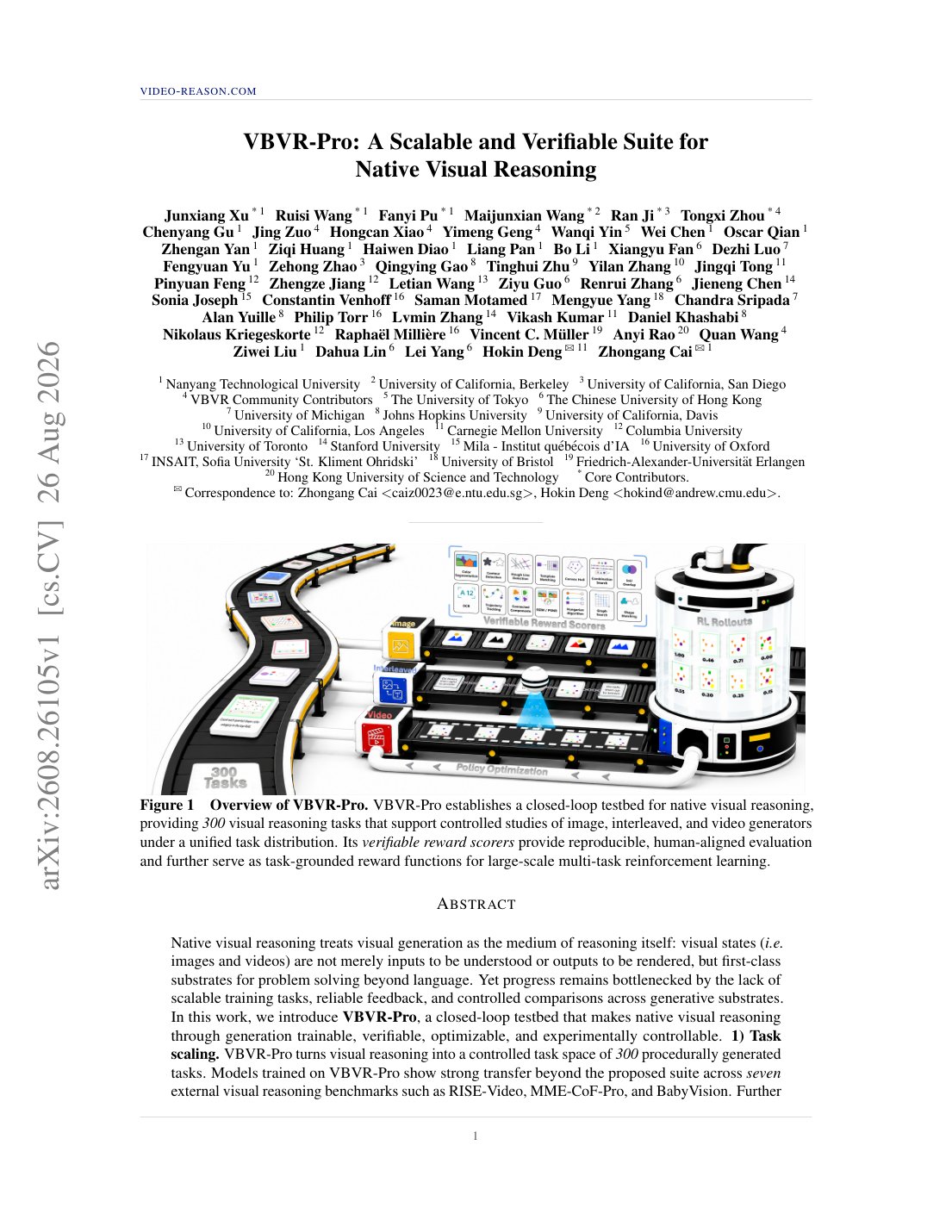
A 300-task procedural suite replaces preference-only judging with task-specific scorers, raising matched reinforcement-learning performance from 0.509 to 0.548.
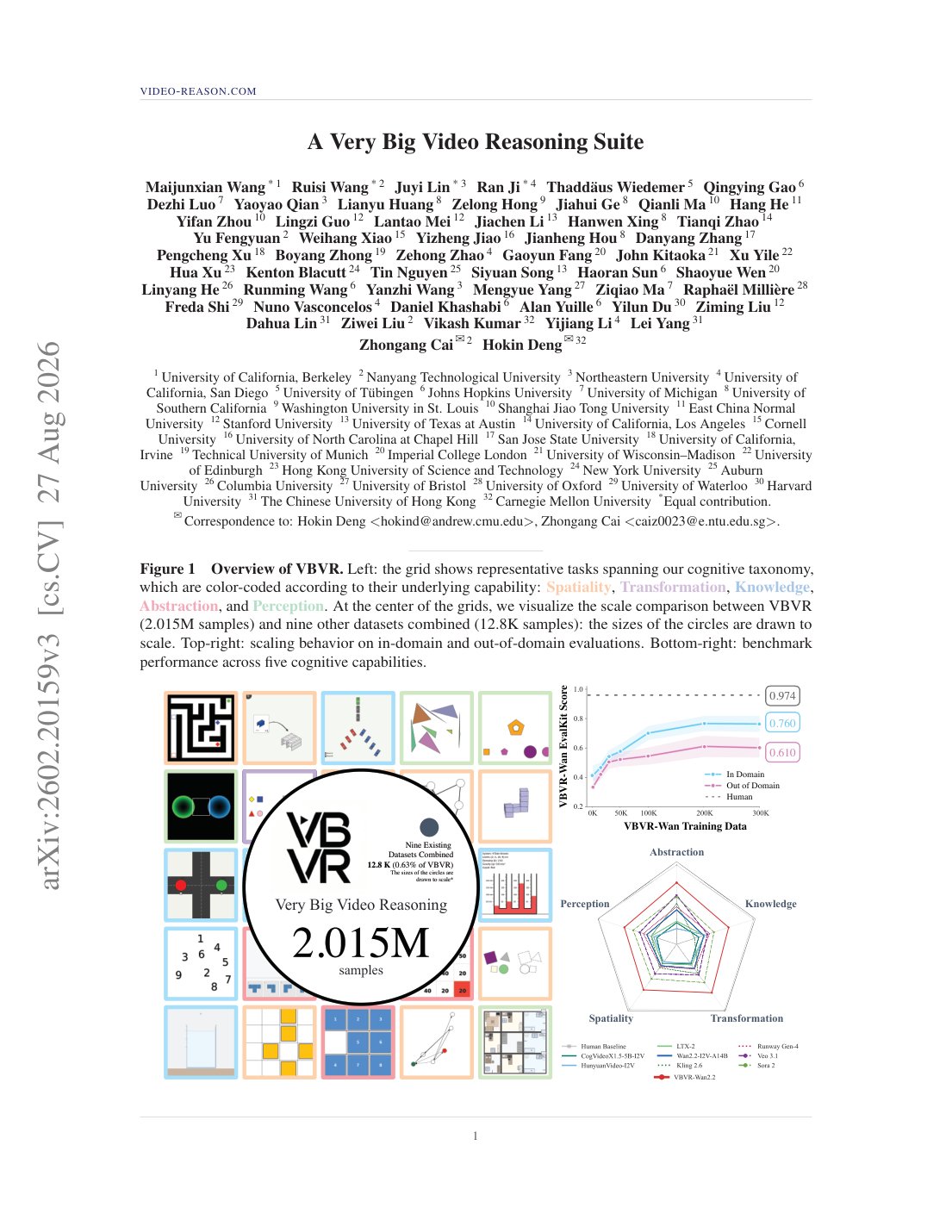
VBVR pairs 200 curated reasoning tasks with rule-based, human-aligned evaluation to study whether video models generalize across spatiotemporal reasoning problems.
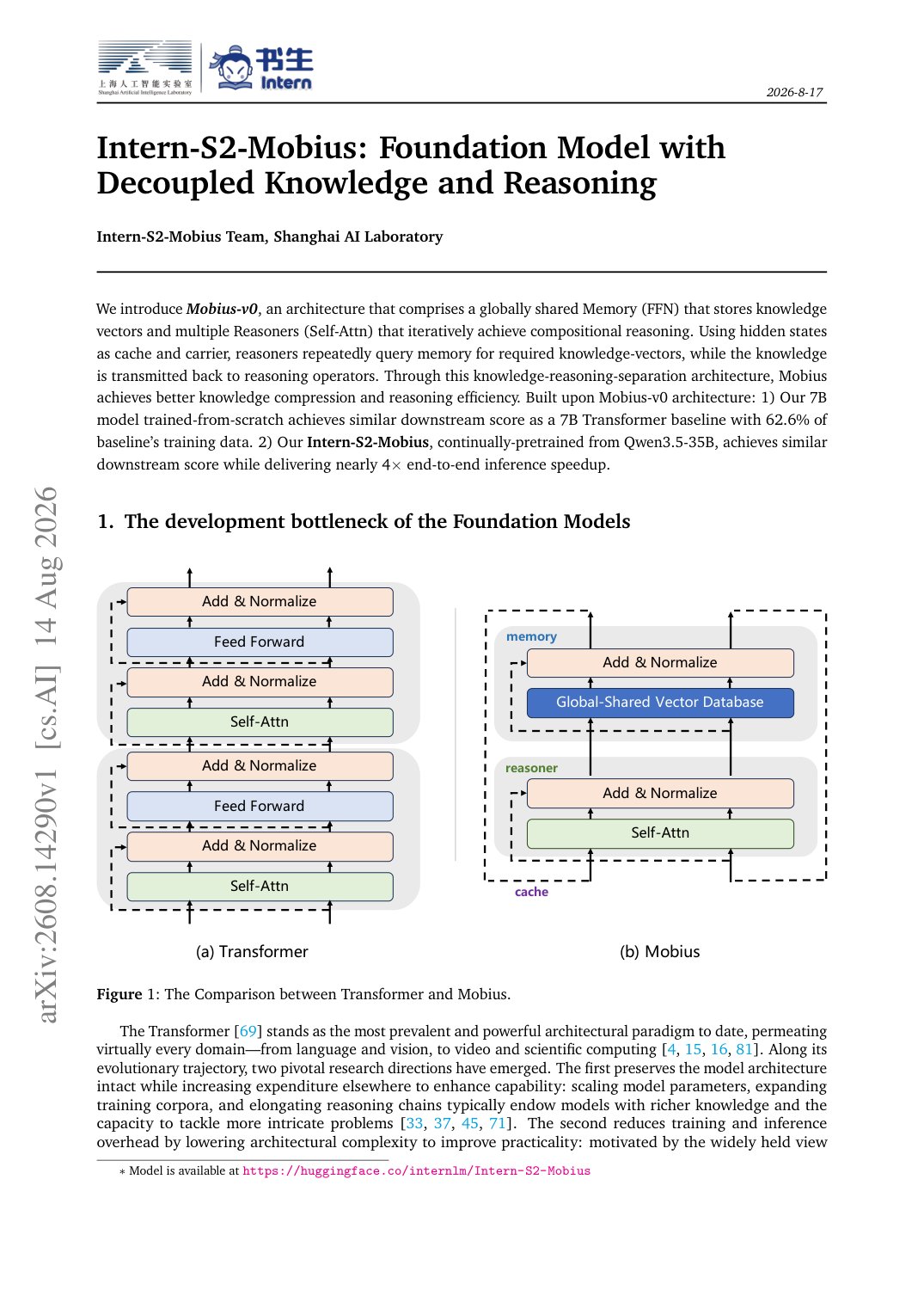
A shared feed-forward memory and iterative attention reasoners retain comparable downstream scores while reducing continual-pretrained 35B-model inference time by nearly 4×.
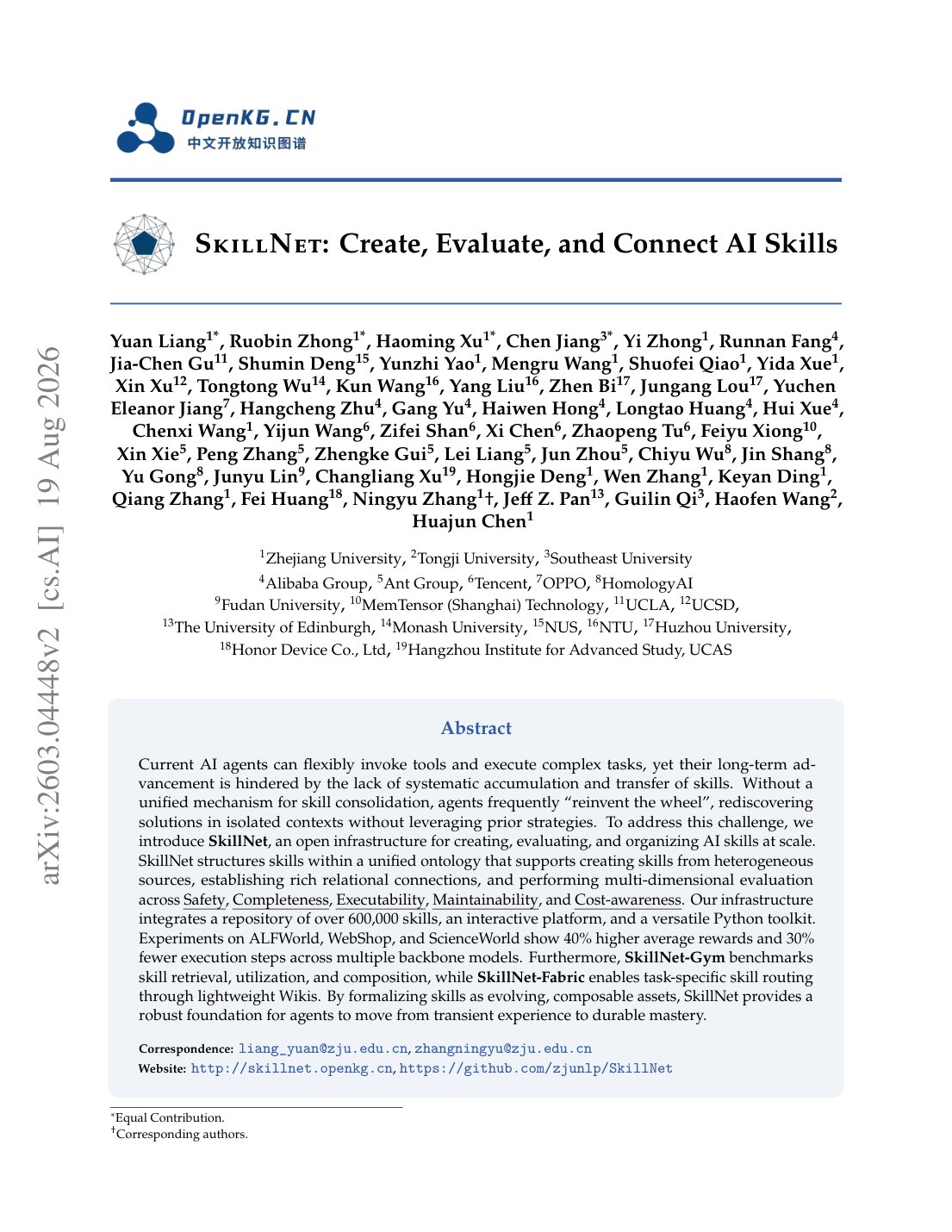
An ontology, evaluation scheme, and 600,000-skill repository let agents retrieve and compose prior procedures, reporting 40% higher rewards with 30% fewer steps.
Kimi K2.5 couples joint text-vision training with dynamically scheduled parallel subagents, improving agentic search scores while reducing time to target quality.