XPolicyLab Cuts Robot Policy Integration From NM to N Plus M
A shared policy contract and isolated client/server runtime let 42 robot policies connect to simulations and real-robot evaluation without pairwise adapters.
Underlying Paper
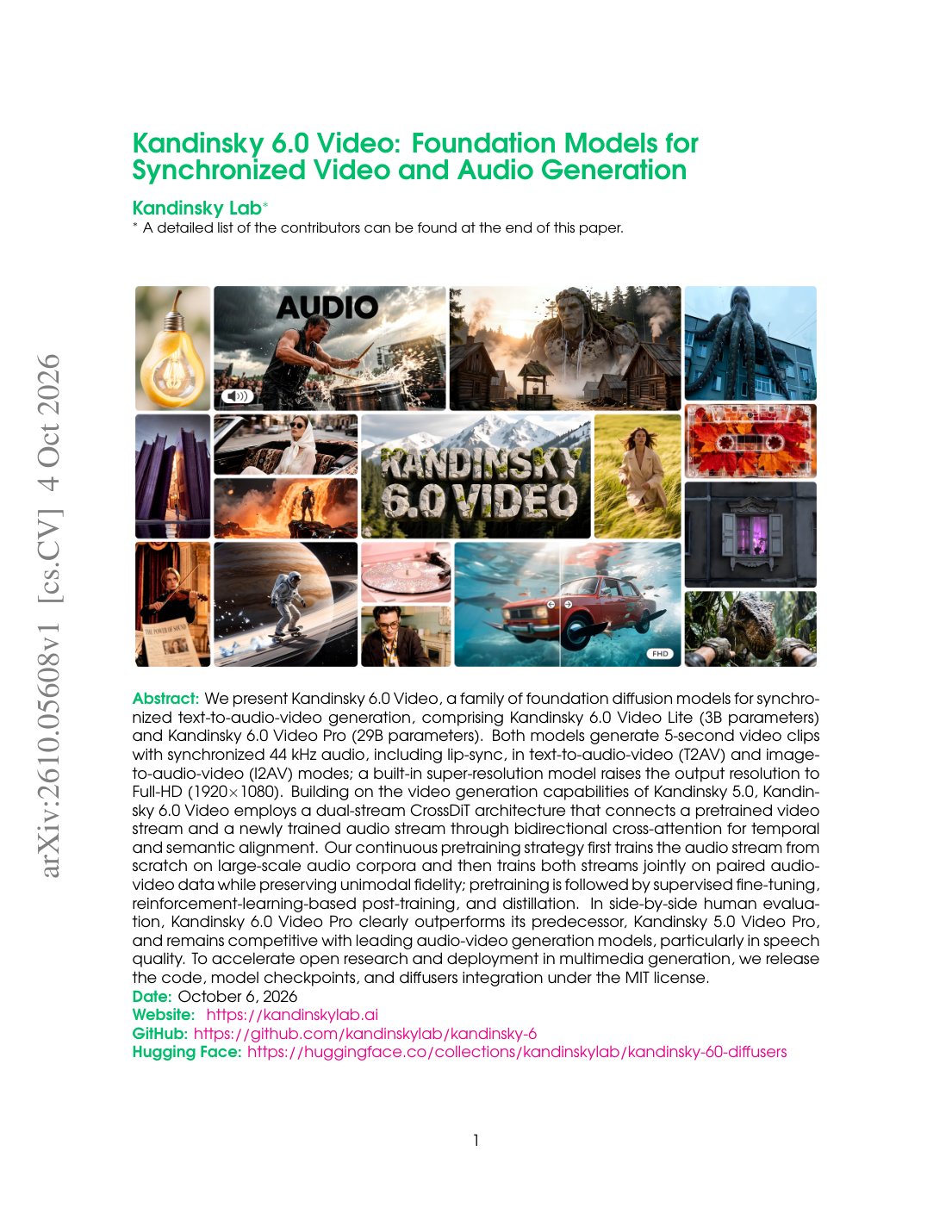
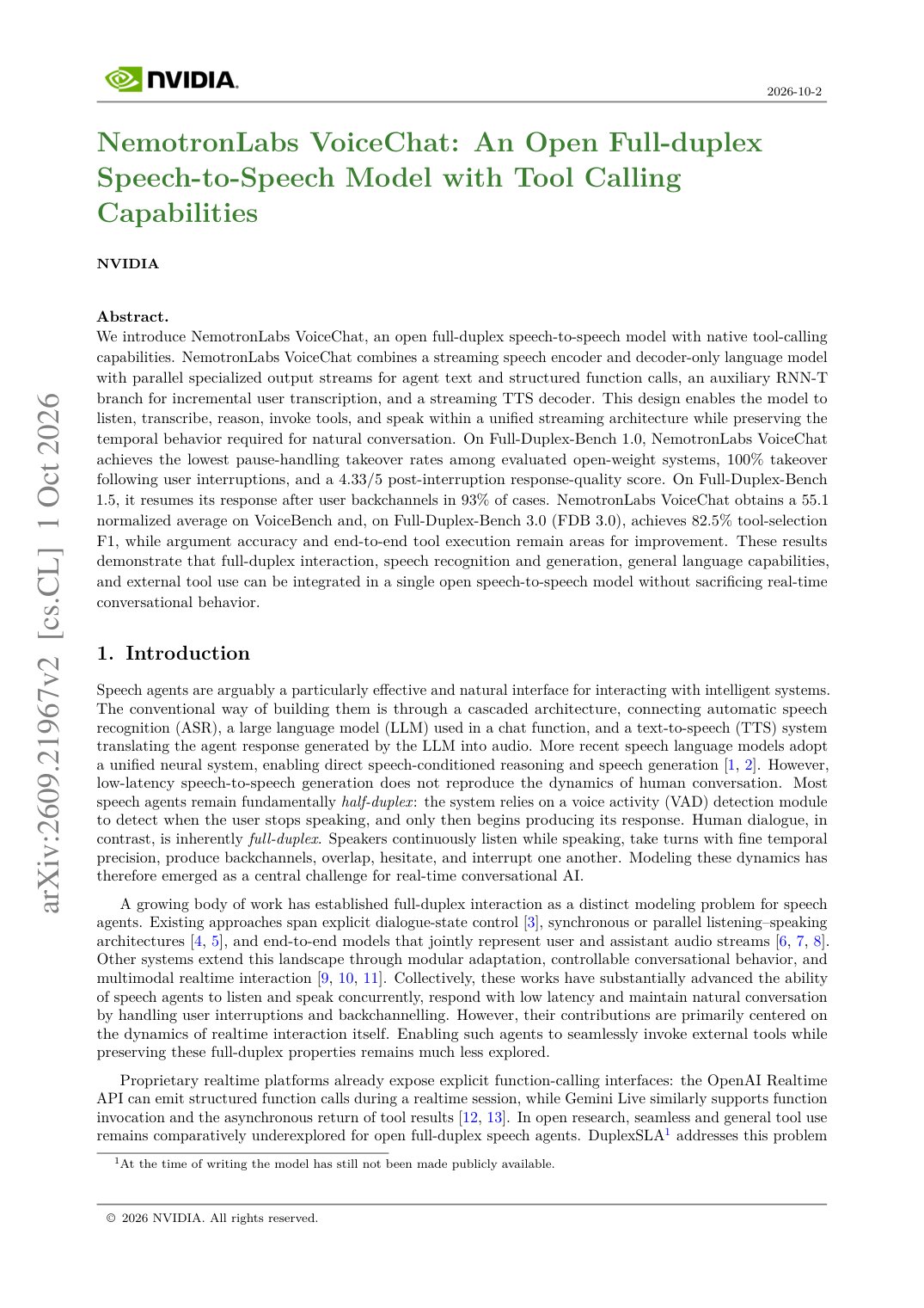
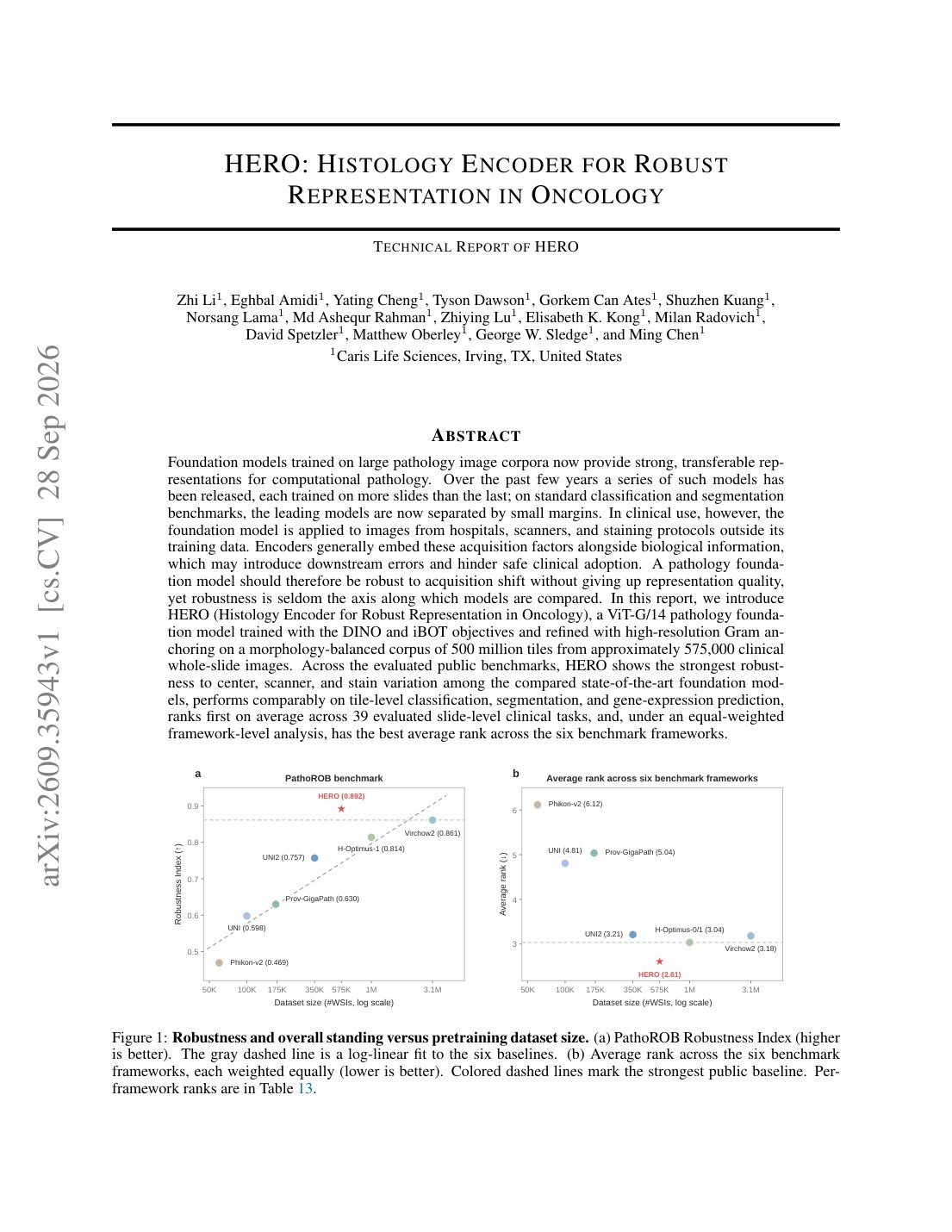
XPolicyLab: A Unified Standard and Open Ecosystem for Robot Policy Evaluation and Deployment
Robot policy evaluation and deployment remain fragmented by model-specific software dependencies, data representations, and runtime interfaces, so that connecting N policies to M evaluation environments requires O(NM) separate integrations. We present XPolicyLab, a unified standard and open ecosystem that reduces this cost to O(N+M). XPolicyLab specifies common observation, action, and trajectory schemas together with a minimal adapter interface for observation updates, action prediction, batched execution, and episode reset, while a dependency-isolated client/server architecture separates policy inference from environment execution, so that each side retains its native software stack and may run locally or remotely. The ecosystem integrates 42 robot policies and standardizes their installation, debugging, serving, and evaluation workflows. Across these adapters, model-specific code varies by an order of magnitude while the environment-facing loop stays within a few lines of a fixed reference, confirming that the contract confines heterogeneity to the policy side. In a controlled study, conforming to the standard reduces the integration effort of a representative policy from over five hours to two hours, and packaged agent skills reduce it further to thirty minutes. The same adapters serve RoboTwin, RoboDojo simulation, and standardized real-robot evaluation through one interface. XPolicyLab is released as shared infrastructure for reproducible policy comparison and standardized deployment across simulation and physical platforms. Project website: https://xpolicylab.github.io/.
Robot-policy evaluation is often blocked by infrastructure rather than model quality. Each policy can bring a different runtime, dependency stack, observation representation, action format, and serving interface; each simulator or robot platform brings another set of assumptions. Connecting policies to environments therefore tends to create bespoke integrations, making comparisons difficult to reproduce and deployment work expensive to repeat. XPolicyLab proposes a common contract intended to turn that problem into work: policies and environments each implement one side of a standard interface.
Core Contribution
The paper's contribution is not a new control policy or a benchmark score. It is an interoperability layer for policy evaluation and deployment. XPolicyLab defines shared schemas for observations, actions, and trajectories, plus a minimal adapter interface covering observation updates, action prediction, batched execution, and episode reset. The authors argue that this boundary confines most model-specific variation to the policy adapter while leaving the environment-facing execution loop nearly unchanged.
That distinction matters in a field where a policy comparison can silently differ in preprocessing, action timing, reset behavior, or dependency versions. A standard interface cannot make different policies equally capable, but it can make the mechanics of running them more inspectable. For teams maintaining several models or moving between simulators and hardware, reducing repeated integration work may be more consequential than another narrowly scoped benchmark wrapper.
Technical Approach
XPolicyLab separates policy inference from environment execution through a dependency-isolated client/server design. The policy side retains its native software stack and can run locally or remotely; the environment side drives rollouts through the common interface. This avoids forcing every policy into a shared Python environment or requiring an evaluation platform to import model-specific libraries.
Figure 1 presents the intended scope: a standard and infrastructure spanning policy evaluation and deployment rather than a single simulator binding. The design combines standardized installation, debugging, serving, and evaluation workflows, so an adapter becomes the unit of integration. The same adapter is meant to serve RoboTwin, RoboDojo simulation, and standardized real-robot evaluation.
The paper reports 42 integrated robot policies. Across those adapters, policy-specific implementation varies by roughly an order of magnitude, while the environment-facing loop remains within a few lines of a fixed reference. This is useful evidence for the architectural claim: the interface does not eliminate heterogeneity, but it places it where it belongs. The report does not imply that every policy needs equally little adaptation; rather, it says the platform-specific loop can stay stable once the policy boundary is respected.
Results and Analysis
The most concrete efficiency result is a controlled integration study on a representative policy. The authors report that conforming to the standard reduced integration effort from more than five hours to two hours, and that packaged agent skills reduced it further to 30 minutes. The comparison is operationally relevant, though it measures engineering time for one representative integration rather than policy quality, latency, or success rate across all 42 adapters.
The breadth claim is also meaningful: 42 policies behind one interface is a substantial compatibility test for an infrastructure proposal. Its value is in reducing the number of software relationships that must be maintained as policy and environment counts grow. If an organization supports policies and environments, replacing pairwise integration with independent policy and environment adapters changes the maintenance problem from connections to connections.
The evidence supports the narrower claim that XPolicyLab can standardize a sizable set of adapters and reduce a measured integration workflow. It does not yet establish that standardized serving improves robot-task performance, real-time behavior, or reproducibility under independently repeated evaluations. For practitioners, the work is most compelling as shared plumbing for fairer comparisons and faster deployment iteration, not as evidence that one policy family or simulator protocol is intrinsically better.
Scope and Caveats
The reported time savings come from a controlled study of one representative policy, so they should not be treated as an average across the 42 integrations. The paper also emphasizes interface uniformity rather than a cross-policy task-success benchmark. Runtime isolation can simplify dependency management, but deployments with strict latency, hardware, or networking constraints still need to validate the client/server arrangement in their own setting.
Evidence Box
moderateKey Claims
- •A unified contract reduces policy-environment integration from O(NM) to O(N+M)
- •Dependency-isolated serving preserves native policy software stacks
- •One adapter can support simulation and standardized real-robot evaluation
Key Results
- •42 robot policies integrated through the XPolicyLab ecosystem
- •Representative integration reduced from over 5 hours to 2 hours with the standard
- •Packaged agent skills reduced the representative integration task to 30 minutes
- •Policy-specific adapter code varied by roughly an order of magnitude while the environment loop stayed within a few reference lines
Limitations & Caveats
- •Integration-time evidence comes from one representative policy
- •No cross-policy task-success or control-quality benchmark is reported
- •Latency and reliability of the client/server setup are not quantified
- •The 42-policy integration count does not establish equal coverage across robot tasks or hardware